

- What Are Cross-Chain Bridges?
- Cross-Chain Bridges in 2025, Are They Still Worth It?
- Why Do People Use Cross-Chain Bridges?
- How Do Cross-Chain Bridges Work in Practice?
- Which Cross-Chain Bridges Are Safe to Use?
- Major Bridges (Wormhole, Polygon Bridge, Multichain, LayerZero, etc.)
- Common Security Risks (Hacks, Exploits, Rug Pulls)
- How to Evaluate a Bridge Before Using It
- Why Bridges Are Prime Targets for Hackers
- Examples of High-Profile Bridge Hacks (Ronin, Wormhole, Multichain)
- User Mistakes That Lead to Asset Loss
- Flashift vs. Traditional Bridges: A Safer Multi-Chain Alternative
- Final Thoughts: Staying Safe in a Multi-Chain World
- FAQs
Cross-Chain Bridges | You’ve got assets on Ethereum, but the DeFi yield you want is on Arbitrum. Or perhaps your stablecoins are on BNB Chain, while an NFT minting opportunity is happening on Polygon. Welcome to the fragmented reality of 2025—a crypto world with dozens of thriving blockchains, each with its own apps, liquidity, and opportunities.
The problem? These networks don’t talk to each other natively. Moving value across chains isn’t as simple as sending Bitcoin to an Ethereum address. Instead, you need a cross-chain bridge—a tool that transfers assets from one blockchain to another.
However, while bridges have become essential, they’ve also become prime targets for hackers, with billions of dollars stolen in recent years.
According to Chainalysis 2023 Crypto Crime Report, over $2 billion was stolen through bridge hacks in just one year.
For everyday users, the challenge is clear: how do you transfer assets safely across chains without losing them to risky bridges or costly mistakes?
In this article, we’ll break down how cross-chain bridges work, why they matter, the risks you should watch out for, and—most importantly—how Flashift’s multi-chain swap gives you a faster, safer alternative.

What Are Cross-Chain Bridges?
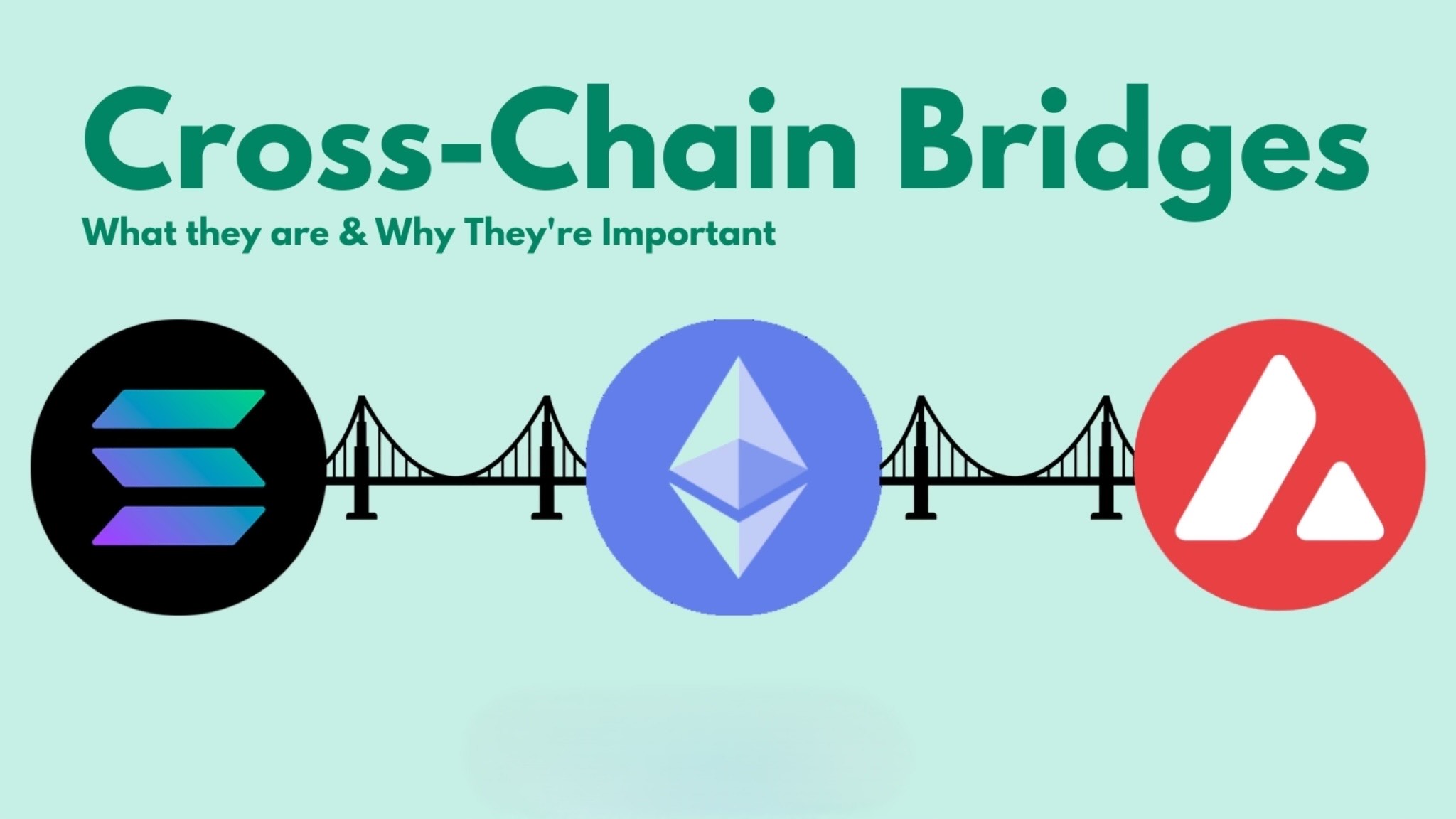
Cross-chain bridges are protocols that allow you to move assets from one blockchain to another. Since most blockchains are isolated networks, you can’t just send ETH directly to Solana or transfer BNB to Polygon. Bridges solve this by acting as a connection layer—making blockchains interoperable in a way they weren’t designed to be.
At Flashift, we’ve seen thousands of users struggle with complex bridges before discovering our simpler multi-chain swap solution. That’s why we know first-hand how important it is to understand how bridges actually work.
They’ve become one of the most important tools in crypto, enabling liquidity, DeFi access, and seamless trading across multiple ecosystems.
Read More: The Next Generation of Cross-Chain Aggregators: Flashift vs Rango vs Li.Fi (2025 Update)
The Role of Bridges in a Multi-Chain Crypto World
The crypto landscape in 2025 isn’t dominated by a single chain—it’s a multi-chain ecosystem. Ethereum still leads in DeFi, Solana shines in speed, Arbitrum and Optimism scale Ethereum, and Polygon powers NFT integrations. Each chain has strengths, but also walled gardens.
Bridges break down those walls by:
- Letting users access dApps and yield opportunities on other networks.
- Increasing capital efficiency by moving liquidity where it’s needed most.
- Helping projects expand beyond one blockchain, making crypto more connected and user-friendly.
Without bridges, every blockchain would be an island. With them, we get closer to a unified crypto economy.
How Bridges Transfer Assets Between Blockchains
Most bridges don’t literally “send” your tokens across. Instead, they use one of two methods:
-
- Lock-and-Mint:
- You deposit your tokens into a smart contract on Chain A.
- The bridge locks those tokens and then mints a wrapped version of them on Chain B (e.g., wETH on Polygon).
- When you want to move back, the wrapped tokens are burned and your original tokens are released.
- Burn-and-Release:
-
-
-
-
-
- Instead of minting wrapped tokens, the bridge burns tokens on one chain and releases an equivalent amount from a liquidity pool on the other.
- This avoids too many wrapped assets piling up, but requires deep liquidity.
-
-
-
-
-
- Lock-and-Mint:
Both systems rely heavily on smart contracts and validators—which is why they’re powerful but also vulnerable to hacks.
Read More: Best Cross-Chain Swap Platforms in 2025: Symbiosis, 1inch, Li.Fi, and Rango
Cross-Chain Bridges in 2025, Are They Still Worth It?
The role of cross-chain bridges in crypto has changed dramatically over the last few years.
Fewer New Bridges: After a wave of multi-million-dollar exploits between 2021 and 2023 (Ronin, Wormhole, Multichain), developers are more cautious. In 2025, far fewer new bridges are being launched compared to the earlier DeFi boom.
- Regulatory Oversight: U.S. regulators are keeping a close eye on bridge operators, citing concerns over money laundering and investor safety. This increased scrutiny has made some bridges less accessible for U.S. traders.
- Shifting Trader Behavior: Many traders now prefer safer options like direct multi-chain swaps, which avoid the risks of wrapped tokens, liquidity shortfalls, and smart contract exploits.
Platforms such as Flashift provide these non-bridge swaps, enabling users to move assets across blockchains without the vulnerabilities that have plagued traditional bridges.
Why Do People Use Cross-Chain Bridges?
Cross-chain bridges aren’t just technical tools, they’re gateways to opportunity. By letting assets flow across networks, they open doors to new DeFi platforms, cheaper transactions, and broader investment strategies.
For example, many Flashift users bridge assets into Polygon to mint NFTs at lower fees, or move into Arbitrum for cheaper DeFi trades.
Bitcoin to Polygon exvhange in one minute with Flashift.
Here’s why users rely on them every day:
Accessing dApps and DeFi Opportunities on Other Chains
Each blockchain has its own ecosystem of decentralized apps (dApps).
- Ethereum hosts the largest DeFi platforms but often struggles with high fees.
- Solana offers lightning-fast decentralized exchanges (DEXs) and NFT markets.
- Arbitrum and Optimism bring scalability for Ethereum-based apps.
Bridges let you take your crypto from one chain and deploy it where the opportunities are best, whether that’s yield farming on Avalanche, gaming on Polygon, or liquidity mining on Arbitrum.
Lower Fees and Faster Transactions on Alternative Networks
Ethereum gas fees can still spike to painful levels during peak activity. For many users, it’s cheaper to bridge assets to chains like BNB Chain or Polygon where fees are a fraction of a cent.
This makes activities like small trades, micro-transactions, or NFT minting far more practical. In other words, bridges don’t just expand access—they make crypto affordable for everyday use.
Expanding Beyond Ethereum with Multi-Chain Assets
Crypto is no longer “Ethereum vs. everyone else.” We’re in a multi-chain world where assets and liquidity constantly move between ecosystems.
- Stablecoins like USDC now exist natively on multiple chains.
- Wrapped tokens (like wBTC or bridged ETH) allow Bitcoin and Ethereum to interact with DeFi platforms outside their native chains.
- Users can diversify their exposure by bridging into new ecosystems without cashing out.
Bridges enable this flexibility, allowing users to stay agile across networks and maximize opportunities in a rapidly evolving space.
How Do Cross-Chain Bridges Work in Practice?
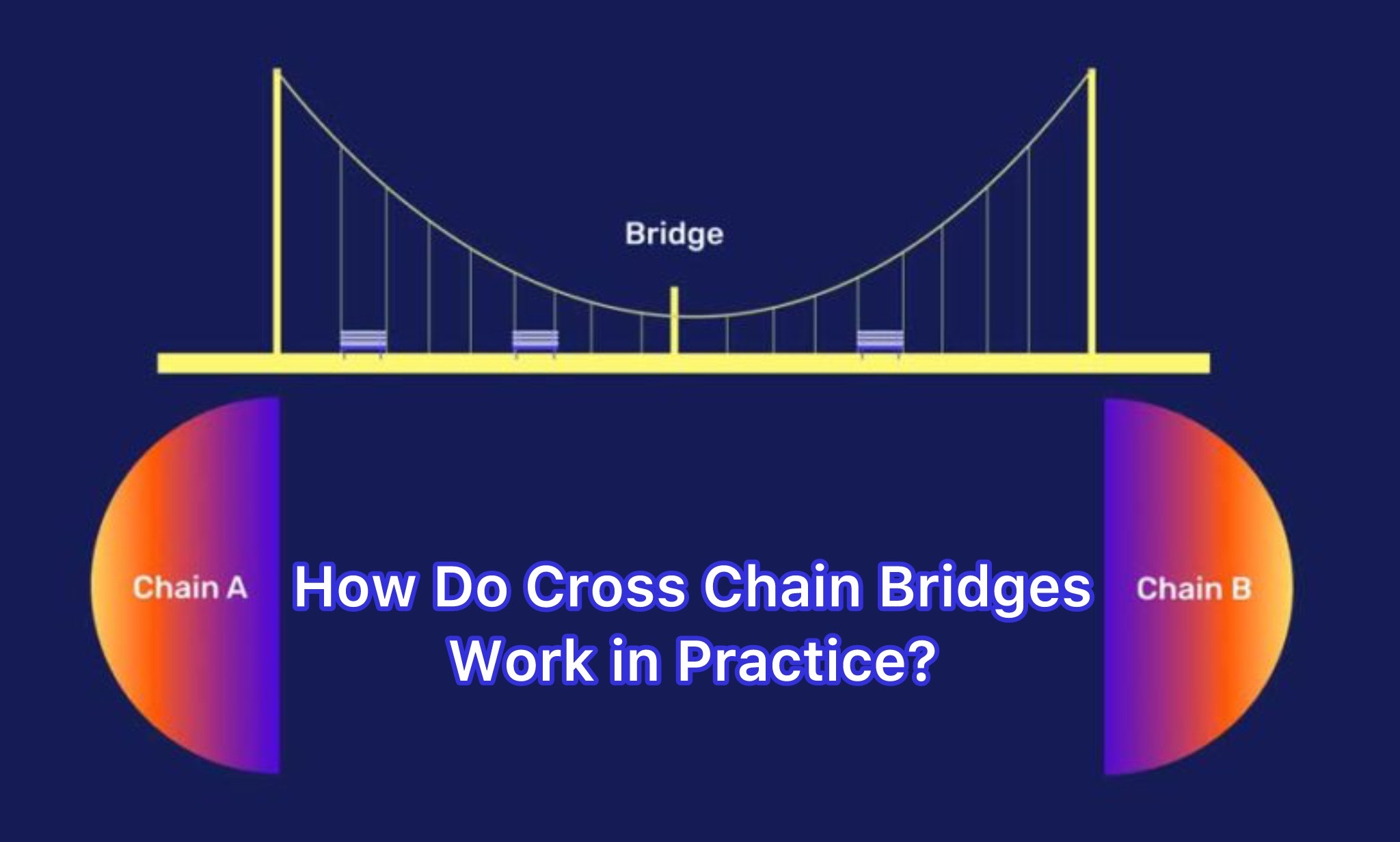
Cross-chain bridges may sound complex, but most follow a few core models. At their heart, bridges are about holding your assets on one chain and giving you equivalent value on another. Here’s how the main methods work:
Lock-and-Mint Mechanism Explained Simply
Think of this like a coat check at an event:
- You hand over your coat (crypto) on Chain A to the bridge.
- The bridge locks it safely in storage.
- In exchange, you’re given a claim ticket (a wrapped token) on Chain B that represents your coat.
When you’re done, you return the ticket, the wrapped token is burned, and your original asset is released.
This is the most common bridge design used by networks like Polygon Bridge and Wormhole.
Burn-and-Release Transfers
Instead of minting endless wrapped tokens, some bridges work with liquidity pools on both sides.
- When you transfer, the bridge burns your token on Chain A.
- Then it releases an equivalent token from a liquidity pool on Chain B.
This keeps the supply balanced without relying too heavily on wrapped assets. However, it requires deep liquidity—enough tokens available on both chains to satisfy demand.
Wrapped Tokens and Liquidity Pools
Wrapped tokens are the key that makes bridging possible. They’re essentially receipts for your locked assets.
- Example: Wrapped Bitcoin (wBTC) is BTC locked on Bitcoin but represented as an ERC-20 token on Ethereum.
- These tokens let you use BTC in Ethereum DeFi apps, even though Bitcoin itself can’t run smart contracts.
Liquidity pools ensure there’s enough supply on both chains for smooth swaps. If liquidity is too shallow, users may face high slippage or failed transfers.
In short: Bridges don’t teleport assets across blockchains—they either lock and mint, or burn and release. Both systems rely on trust in smart contracts and validators, which is why bridge safety is such a critical issue.
Which Cross-Chain Bridges Are Safe to Use?
Not all bridges are created equal. Some are well-audited, widely used, and backed by strong communities—others are experimental projects that may expose you to unnecessary risk. Before moving your funds, it’s important to know which bridges are trusted and how to evaluate their safety.
Major Bridges (Wormhole, Polygon Bridge, Multichain, LayerZero, etc.)
- Wormhole → Supports multiple chains (Ethereum, Solana, BNB Chain, Avalanche). Popular, but previously hacked for over $320M.
- Polygon Bridge → Official bridge for transferring ETH and ERC-20 tokens into Polygon. Highly used, but limited to Ethereum ↔ Polygon.
- Multichain (formerly AnySwap) → Once one of the largest multi-chain bridges, but suffered critical security issues and centralization concerns in 2023–24.
- LayerZero → Uses an “omnichain” messaging protocol for cross-chain transfers. Growing fast, with strong developer adoption, but relatively new.
These are among the most commonly used bridges, but even the biggest names have faced exploits or disruptions.
Common Security Risks (Hacks, Exploits, Rug Pulls)
Cross-chain bridges are some of the most targeted systems in crypto. Why? Because they hold massive amounts of locked funds.
- Smart Contract Exploits: Bugs in code can let attackers mint fake tokens or drain liquidity.
- Validator Compromise: If validators (who confirm transfers) are bribed or hacked, the system can be manipulated.
- Rug Pulls: In smaller or centralized bridges, operators could disappear with locked funds.
In fact, bridges have been responsible for over $2.5 billion in stolen funds across multiple hacks between 2021 and 2024—making them one of crypto’s riskiest technologies.
How to Evaluate a Bridge Before Using It
Before moving your assets, ask these questions:
- Has the bridge been audited? Look for audits from reputable firms.
- What’s the track record? Established bridges with large user bases are generally safer than untested ones.
- Is the code open source? Transparency helps the community identify risks early.
- How is security managed? Some bridges rely on multi-sig wallets (riskier), others on decentralized validators (safer).
- What’s the liquidity depth? Ensure the bridge has enough funds to support your transfer without slippage.
If you can’t clearly answer these questions, think twice before trusting the bridge with your assets.

While cross-chain bridges are vital to the multi-chain ecosystem, they’ve also proven to be one of the most dangerous weak points in crypto. Billions of dollars have been stolen from bridge exploits, making them infamous among hackers and regulators alike. Here’s why they’re so risky.
Why Bridges Are Prime Targets for Hackers
Bridges often hold massive liquidity pools or control large amounts of locked tokens across chains. This makes them honeypots for attackers.
- A single vulnerability in a smart contract can open the door to hundreds of millions in losses.
- Many bridges rely on small validator sets or centralized controls, creating points of failure.
- Because they touch multiple chains at once, bridges multiply the complexity—and with it, the attack surface.
In short: bridges aren’t just “tools”, they’re treasure chests guarded by code. If the code cracks, everything inside is gone.
Examples of High-Profile Bridge Hacks (Ronin, Wormhole, Multichain)
- Ronin Bridge (2022): Attackers stole $625 million from Axie Infinity’s bridge by compromising validator nodes.
- Wormhole (2022): A bug in smart contract code allowed hackers to mint fake assets, draining $320 million.
- Multichain (2023–24): Faced multiple incidents and ultimately collapsed after suspicious withdrawals, causing chaos across DeFi protocols that depended on it.
Together, bridge hacks have accounted for over 50% of all crypto stolen in recent years—an astonishing statistic that shows how fragile they can be.
In fact, Elliptic’s 2022 report found that bridge exploits alone made up 69% of all stolen crypto that year.
User Mistakes That Lead to Asset Loss
Not every loss comes from a hacker. Many users lose funds simply by making avoidable errors:
- Sending tokens to the wrong network (e.g., sending ERC-20 USDC directly to a BNB Chain address).
- Failing to test with small amounts first.
- Using unofficial or fake bridge websites, often phishing clones designed to steal funds.
- Ignoring fees and slippage, which can turn a transfer into a costly mistake.
Bridges require both technical security and careful user behavior. Even if the protocol is safe, a small mistake on your end can still wipe out your funds.
Flashift vs. Traditional Bridges: A Safer Multi-Chain Alternative
Cross-chain bridges try to solve a real problem, but they come with serious baggage: hacks, delays, and high fees. At Flashift, we built a better way. Instead of exposing your assets to risky lock-and-mint systems, Flashift lets you swap directly across chains—fast, private, and non-custodial.
Why Flashift Doesn’t Require Bridges at All
Traditional bridges lock tokens in a contract and mint wrapped versions on another chain. That’s exactly why they’ve been hacked for billions. Flashift takes a different path:
- No lock-and-mint.
- No centralized liquidity pools waiting to be drained.
- No wrapped tokens with uncertain backing.
Instead, Flashift uses direct multi-chain swaps, meaning your assets move from wallet to wallet without ever being trapped in a risky bridge.
Our swaps are non-custodial and audited, meaning you never give up your keys and the contracts you interact with are verified for safety.”
Benefits of Multi-Chain Swaps with Flashift
- Non-Custodial: You always keep control of your keys—Flashift never holds your funds.
- Fast & Seamless: Forget long bridge wait times; swaps settle in minutes.
- No KYC: Privacy-first design—no ID uploads, no delays.
- Lower Risk: No giant bridge contracts or validator sets to be hacked.
- True Flexibility: Swap between major chains (Ethereum, BNB Chain, Polygon, Arbitrum, Avalanche, and more) without wrapped tokens.
Flashift gives you the freedom of cross-chain liquidity without the vulnerabilities of bridges.
Read More: DeFi Yield Farming Without KYC: Risks & Rewards in 2025
Bridge Your Assets Quickly with Flashift’s Multi-Chain Swap
Why risk a billion-dollar honeypot when you can use a tool designed for safety? With Flashift, you can:
- Connect your wallet.
- Choose your source and destination chains.
- Swap instantly—no bridges, no waiting, no compromises.
Bridge your assets instantly with Flashift’s secure multi-chain swap — no bridges, no risk.
Try Flashift Multi-Chain Swap Now
Final Thoughts: Staying Safe in a Multi-Chain World
The future of crypto is undeniably multi-chain. Ethereum, Solana, BNB Chain, Polygon, Arbitrum, and others each bring unique opportunities—but moving between them safely remains a challenge. Bridges were built to solve this problem, but their track record shows they also create massive risks.
That’s why tools like Flashift’s multi-chain swap are essential: they give you the flexibility to move assets across ecosystems without exposing yourself to the vulnerabilities that have cost users billions.
When to Use a Bridge vs. When to Use Flashift
- Use a Bridge:
- When moving assets to niche chains that aren’t widely supported.
- For dApps that specifically require wrapped assets.
- Use Flashift:
- For everyday cross-chain swaps (ETH ↔ BNB, USDC ↔ Polygon, BTC ↔ Arbitrum, etc.).
- When you value speed, privacy, and security over complex bridging mechanics.
- Anytime you want to avoid the risks of lock-and-mint systems.
In practice, most users will find Flashift the safer default choice for multi-chain activity.
How to Keep Your Assets Secure Across Blockchains
- Test small amounts first before making large transfers.
- Avoid unverified bridge websites—phishing clones are everywhere.
- Keep collateral ratios healthy if using DeFi lending alongside bridging.
- Prefer non-custodial tools like Flashift, where you never give up your keys.
- Stay updated—follow audits, security reports, and alerts about bridges you consider using.
The lesson is simple: don’t let risky infrastructure become the weakest link in your crypto strategy.
Cross-chain opportunities should be exciting, not stressful. With Flashift, you can bridge your assets instantly, safely, and without compromise—because the future of crypto deserves better than billion-dollar honeypots.
Flashift has already processed millions of dollars in secure multi-chain swaps across Ethereum, BNB Chain, Polygon, and more, helping users move assets without falling victim to risky bridges.
FAQs
1. What is a cross-chain bridge in crypto?
A cross-chain bridge is a tool that lets you move assets from one blockchain to another. Since blockchains are isolated by design, bridges lock your tokens on one chain and issue an equivalent version on another—allowing you to use your assets across different ecosystems.
2. Why are cross-chain bridges risky?
Bridges are frequent targets for hackers because they often hold billions in locked funds. Vulnerabilities in smart contracts, validator compromises, or even fake bridge websites have led to multi-million-dollar losses. According to Chainalysis, bridge exploits have been responsible for the majority of crypto hacks in recent years.
3. Which cross-chain bridges are considered the most popular?
Well-known bridges include Wormhole, Polygon Bridge, LayerZero, and Multichain (AnySwap). While widely used, even top bridges have suffered major exploits—showing that popularity doesn’t always mean safety.
4. How do wrapped tokens work in bridges?
When you bridge, your tokens aren’t literally moved. Instead, they are locked on the original chain, and a “wrapped” version is minted on the destination chain (e.g., wBTC on Ethereum). This wrapped token represents your original asset, but its value depends on the bridge staying secure.
5. How can I safely move assets across blockchains?
- Use audited, reputable bridges and always test with small transfers first.
- Double-check URLs to avoid phishing clones.
- Monitor liquidity depth and fees before moving large amounts.
- Or better yet, use a non-bridge alternative like Flashift’s multi-chain swap, which lets you move assets directly without lock-and-mint risks.
6. What makes Flashift safer than traditional bridges?
Flashift doesn’t lock your tokens in risky contracts or issue wrapped versions. Instead, it uses a direct multi-chain swap mechanism: