
Category

Cryptocurrency Wallets

Category

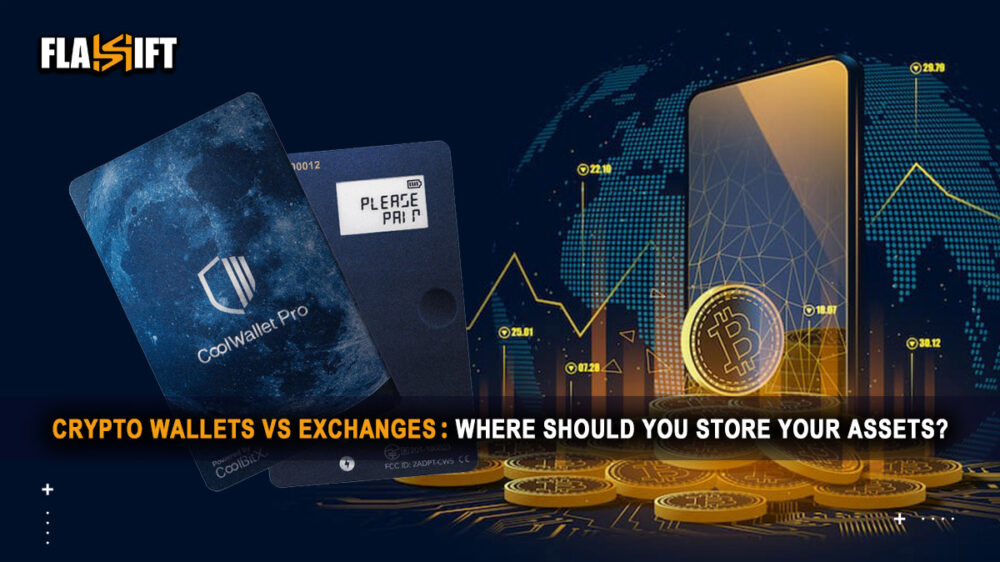
Cryptocurrency wallets are digital tools that allow users to securely store, send, and receive various types of cryptocurrencies. These wallets come in different forms, including hardware wallets, software wallets, and online wallets, each offering different levels of security and convenience.

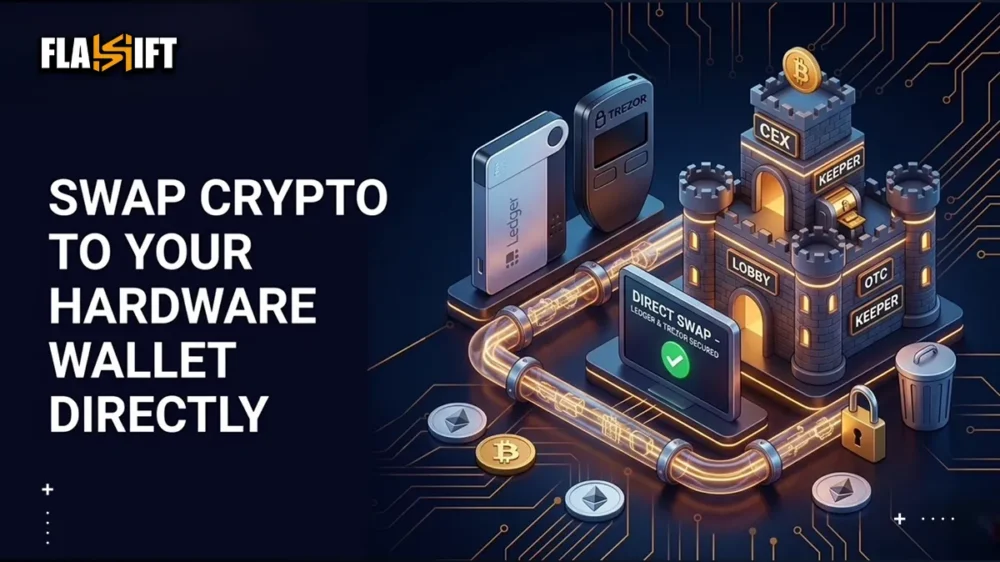
If you leave your crypto on a Centralized Exchange (CEX), your funds can be frozen without warning due to automated KYC triggers. The absolute best CEX asset freeze solution is simple: stop using custodians entirely. Today, smart capital uses AI-driven non-custodial swap aggregators. You keep 100% control of your private keys, swap cross-chain instantly directly from your wallet, and bypass registration completely. Curious about how the underlying routing actually protects you from compliance traps? Let’s…

Stop Leaking Your Users to External dApps | Every time a user leaves your wallet interface to bridge assets or execute a swap on an external platform, your business loses more than just a transaction fee, you lose the user’s attention, their trust, and their lifetime value. In today’s hyper-competitive Web3 landscape, a crypto wallet that lacks native exchange capabilities is essentially a static storage box in a world that demands fluid, high-velocity movement. The…

The year 2026 has brought unprecedented liquidity to the crypto markets, but it has also introduced a harsh reality for high-net-worth investors: centralized exchanges (CEXs) are no longer just trading venues; they are aggressive regulatory checkpoints. For whales and long-term HODLers, leaving assets on a custodial exchange—even for the few minutes required to execute a trade—violates the core ethos of decentralized wealth. The modern standard for high-volume traders is the Sovereign Swap. This architecture allows…
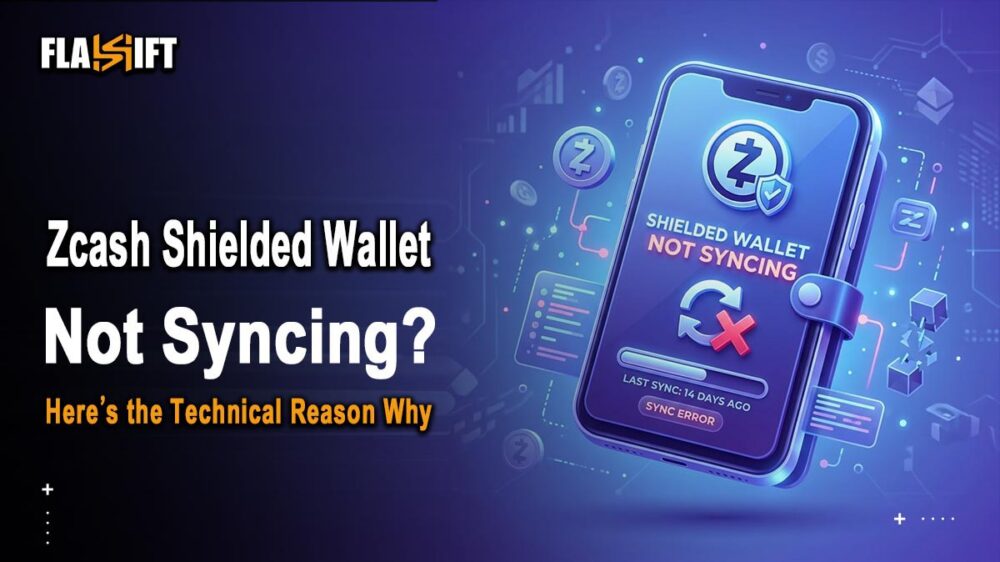
If your Zcash shielded wallet is stuck syncing, you’re not dealing with a typical bug or a weak internet connection. The real issue is far more technical and it sits at the core of how Zcash protects your privacy. Unlike transparent blockchains, Zcash shielded transactions are fully encrypted. That means your wallet can’t simply “check a balance” from a server. Instead, it has to scan, decrypt, and verify blockchain data locally, block by block, using…

You’ve just completed a transaction. The blockchain confirms it; the sender shows it as done. Yet, when you open your wallet, your Monero balance is not showing. Stop. Don’t panic. Your XMR is almost certainly safe on the blockchain. Because Monero is a privacy coin, your wallet doesn’t just “see” your balance; it has to cryptographically scan every block to find it. In April 2026, with the increased network load from the latest Seraphis upgrades,…

If your Monero wallet balance is not updating, suddenly shows zero, or fails to display a recent transaction, the issue is almost always related to syncing or node connectivity, not missing funds. A Monero wallet does not store your coins locally; it scans the blockchain for outputs that belong to your keys. When the wallet or node is out of sync, behind the current block height, misconfigured, or using the wrong restore height, your balance…

When it comes to trading or swapping cryptocurrencies, choosing the right wallet is just as important as picking the right exchange. Swap aggregators like Flashift.app combine liquidity from multiple exchanges to offer you the best prices. But here’s the big question: should you connect a hardware wallet or a software wallet when using these platforms? This article gives you a clear, practical comparison of both wallet types specifically for using swap aggregators. You’ll learn how…

Privacy in crypto has become more important than ever. As regulations tighten worldwide and centralized platforms increase surveillance, many users are searching for no-KYC crypto wallets that allow them to store, send, and manage digital assets without revealing personal information. A no-KYC wallet does not require identity verification, email registration, or personal data collection. These wallets empower users with full control of their private keys while offering varying levels of privacy, security, and usability. In…

Protecting Your Crypto | In 2024 alone, U.S. crypto investors lost over $3.9 billion to hacks, scams, and thefts. And here’s the worst part: once your coins are gone, the odds of getting them back are almost zero. Cybercriminals are getting smarter, faster, and more convincing—using phishing links, fake recovery agents, and even deepfake video calls to steal your assets. Many victims lose everything not because they were careless, but because the attack was so…

Mistakes happen, especially in the fast-paced world of crypto transactions, and sending crypto to the wrong address is a common, yet stressful, error. Unlike traditional banking, crypto transactions are irreversible, which raises the question—can anything be done to recover lost funds? While it can be difficult and sometimes impossible to recover crypto sent to the wrong address, there are specific steps you can take to increase your chances. This guide explores what to do if…