
Mistakes happen, especially in the fast-paced world of crypto transactions, and sending crypto to the wrong address is a common, yet stressful, error. Unlike traditional banking, crypto transactions are irreversible, which raises the question—can anything be done to recover lost funds? While it can be difficult and sometimes impossible to recover crypto sent to the wrong address, there are specific steps you can take to increase your chances. This guide explores what to do if…
Best Crypto Wallets | Choosing the right crypto wallet in 2025 is no longer just about storage — it’s about how easily you can use it for swaps, staking, and secure trading. Whether you’re holding Bitcoin for the long term or making fast swaps through platforms like Flashift, your wallet defines how much control and flexibility you truly have. Here, we are pitting the best crypto wallets of the day against each other, measuring their…
In 2025, selecting the right crypto wallet is essential for secure management of digital assets. Whether you’re trading frequently, storing long-term, or interacting with DeFi, understanding different wallet types and implementing the strongest security practices, like seed phrase backups, hardware devices, and multi-factor authentication, can protect your funds and your peace of mind. This guide is your go-to resource for choosing, setting up, and securing your crypto wallet. Swap BTC to ETH now! What is…
How to Secure Cryptocurrency Transactions | Cryptocurrencies were changing the face of finance; they had decentralized peer-to-peer systems for digital currencies offering levels of privacy and autonomy far greater than the traditional banking system. With the increase of mainstream adoption of digital assets—specifically Bitcoin, Ethereum, and its gigantic universe of altcoins—so grows the importance of providing security to such transactions. The increased security nature of decentralized, irreversible transactions with cryptocurrencies comes with its challenges and…
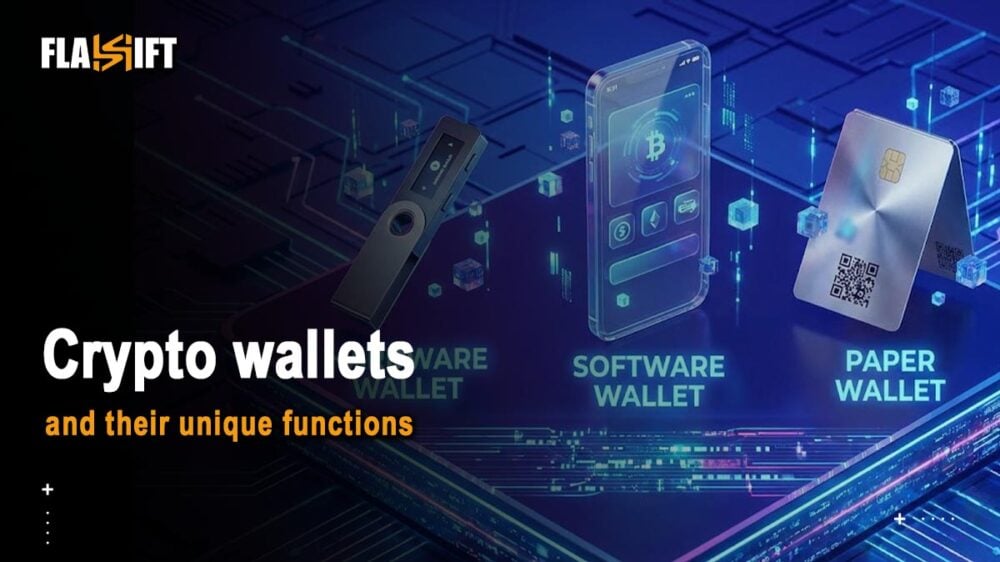
Crypto wallets are a secure way to keep the digital currency, but they operate distinctly from putting money into a billfold. Additionally, there are several alternatives to pick from—the initial phase is determining which of them best meets your requirements. Various crypto wallets support different sorts of coins—most support Bitcoin, others just Ethereum, and a handful are capable of holding any kind of cryptocurrency—and they come in two kinds: hot wallets (internet-enabled) and cold wallets…
So, you bought some coins, but now facing a critical crossroads: who truly holds your assets? Will you choose a custodial setup where a third party manages your money, or a self-custody crypto wallet where you alone hold the power, and the responsibility? understanding the core differences in a custodial vs non-custodial crypto wallet comparison is more vital than ever. Regulation is tightening, and the wrong choice could mean lost funds, restricted access, or hidden…
In a world where digital money is becoming as common as online banking, understanding how to manage and protect your cryptocurrencies is essential. At the heart of this digital finance revolution are crypto wallets; the tools that give you control over your Bitcoin, Ethereum, and thousands of other digital assets. But unlike the physical wallet in your pocket, these digital wallets don’t actually “store” your coins in the traditional sense. Instead, they act as secure…