
- What Is Crypto Wallet?
- Two main category of crypto wallets: hot wallets and cold wallets
- Types of crypto wallets
- Custodial vs. Noncustodial Wallets
- Custodial wallets
- Noncustodial wallets
- How do crypto wallets work?
- Conclusion
- FAQIf crypto wallets don’t actually store coins, what exactly happens when I “send” crypto?
In a world where digital money is becoming as common as online banking, understanding how to manage and protect your cryptocurrencies is essential. At the heart of this digital finance revolution are crypto wallets; the tools that give you control over your Bitcoin, Ethereum, and thousands of other digital assets. But unlike the physical wallet in your pocket, these digital wallets don’t actually “store” your coins in the traditional sense. Instead, they act as secure gateways that allow you to access and interact with your assets on a blockchain, safeguarding the cryptographic keys that prove ownership and authorize transactions.
Whether you’re just starting out or looking to deepen your crypto knowledge, grasping how wallets work is the first step toward confidently navigating the decentralized financial landscape.

What Is Crypto Wallet?
A crypto wallet is a digital application that allows users to store, manage, and interact with cryptocurrencies such as Bitcoin, Ethereum, and many more. The name “wallet” suggests it contains the actual virtual coins, but crypto wallets are all about private and public keys binding to digital assets belonging to one user.
These keys are in charge of allowing cryptocurrencies to be accessed and administrated on the blockchain. The public key is an account number, through which other people can transfer cryptocurrency into a wallet. The private key serves to provide access to their funds, like some kind of password for allowing or making transactions.
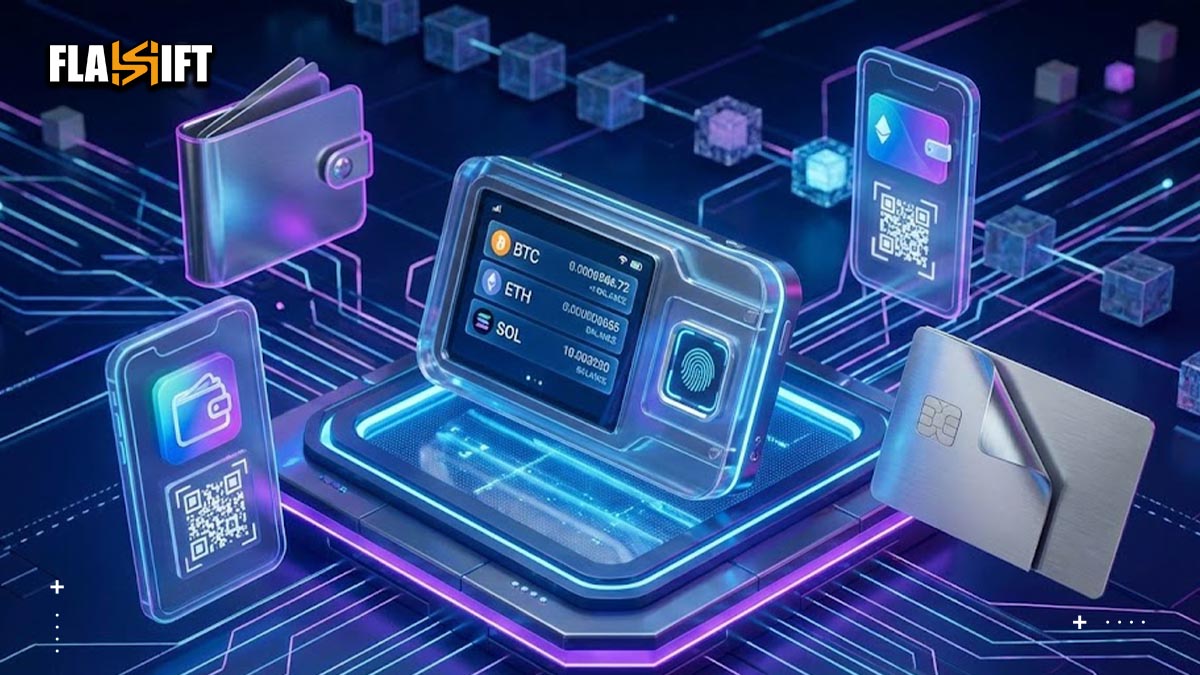
Two main category of crypto wallets: hot wallets and cold wallets
1. Hot wallets
Hot wallets are online wallets that are much more convenient in regard to frequent transactions. They include web-based wallets, mobile applications, and even desktop software wallets. With their ease of access to cryptocurrencies, they are also hot targets for hackers and other kinds of cyber threats due to their nature. Popular hot wallets include the likes of MetaMask, Trust Wallet, and Coinbase Wallet.
2. Cold wallets
On the other hand, Cold Wallets are types of storing media that retain private keys offline, hence offering extra security. They are hardware and paper-based. Hardware wallets, like Ledger and Trezor, are physical devices that hold private keys securely. That is, paper wallets will either print out or write down the private key on real-life paper, which cannot be virtually hacked; the risk here is losing the sheet or damaging it.
Crypto wallets have played a major role in the interaction of sending, receiving, and holding cryptocurrencies with blockchain networks. Choices between hot and cold wallets are made based on the needs of the users: hot wallets are necessary for easy access and transactions, while cold wallets are for security over longer-term storage. Choosing the right wallet and taking good care of private keys are some of the ways one protects their digital assets. What are the “most secure crypto wallets“? read here.
Types of crypto wallets
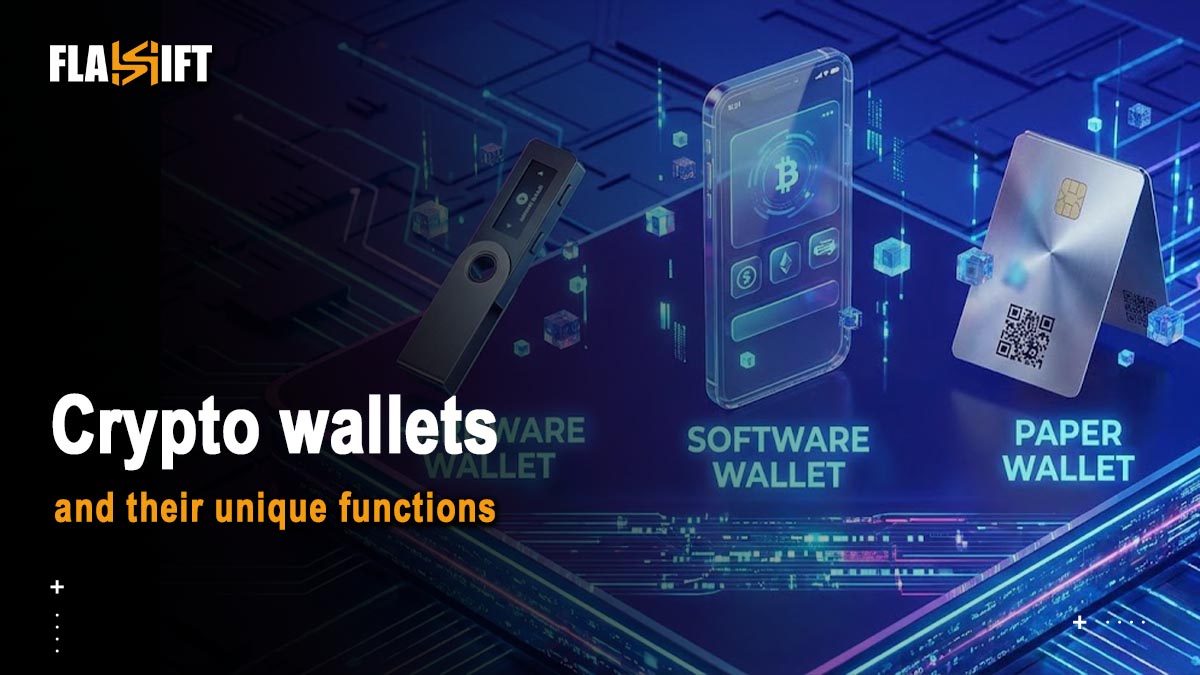
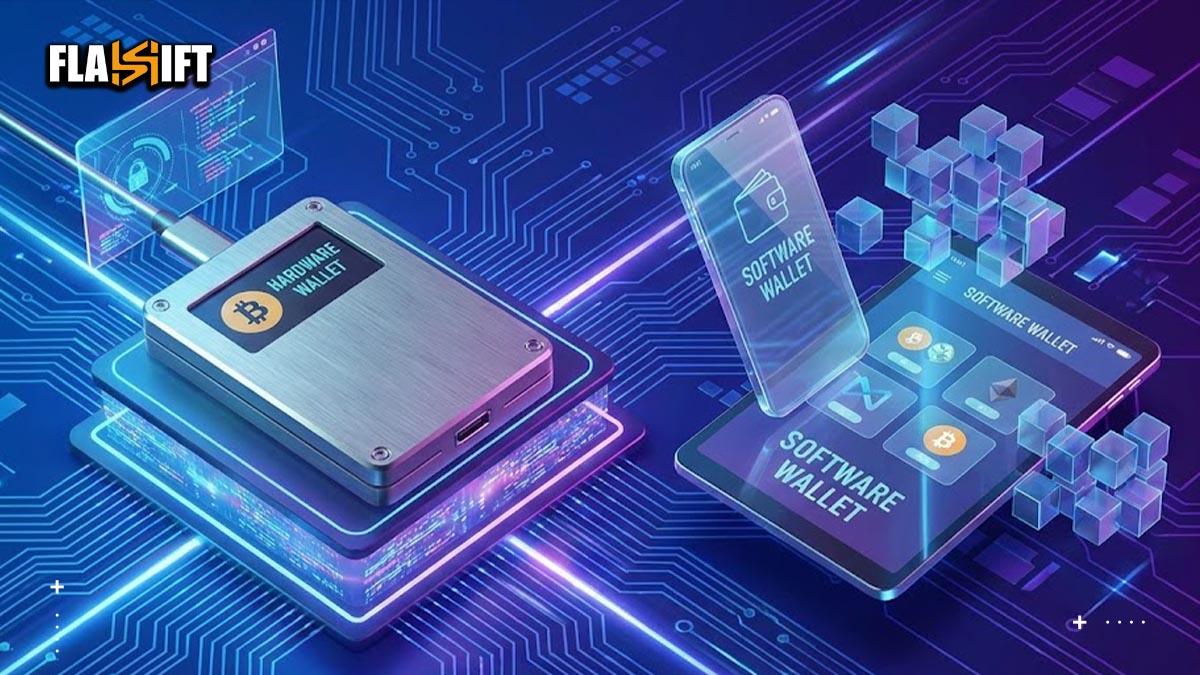
Software, hardware and paper wallets are all types of cryptocurrency wallets. The most prevalent sort of crypto wallet is a software wallet, which is a digital program that can be downloaded into a computer or mobile device. They are simple to use and handy, but they are also prone to hacking and virus assaults.
In contrast, hardware wallets are physical gadgets that resemble USB drives. They provide the best level of safety for cryptocurrency storage since they keep private keys offline, making them less vulnerable to hacker attempts. They are, however, more costly and less handy than software wallets.
Paper wallets are a sort of crypto wallet in which private keys are printed on a sheet of paper. They are completely offline and provide a high level of protection, but they can be difficult to operate and are susceptible to physical damage, loss, and steal. In this post, we’ve compared “The Best Crypto Wallets“. Check this out!
Custodial vs. Noncustodial Wallets
Crypto wallets can be custodial or noncustodial. The primary distinction between custodial and noncustodial wallets is management:
Custodial wallets
Custodial wallets are crypto wallets wherein the ownership – that is, the wallet’s control and operations – is managed by a third party. The cryptocurrency trade, where users purchase and sell cryptocurrency tokens and other digital currencies, is often that third party. The custodial wallet, which is supplied directly by a custodian or trade, offers customers with a simple system for keeping crypto assets.
Custodial disadvantages include a lack of total user control, the potential of censorship and prohibited transactions, the chance of provider insolvency or fraud, which might result in loss, and supply chain danger if the custodian is the target of a cyber assault.
Noncustodial wallets
Non-custodial wallets are crypto wallets wherein ownership is retained by the individual who has the private keys to the digital currencies stored on the blockchain and is responsible for their protection.
Noncustodial wallets enable customers to personally own and store crypto assets; they provide direct and rapid accessibility; and operations are not subject to censorship or third-party control.
Noncustodial drawbacks include complications that users must learn and understand; the possibility of user blunders; and the user’s exclusive accountability. Read detailed about “custodial and noncustodial wallets“.
How do crypto wallets work?
Whatever form of crypto wallet is used, they all operate by holding private keys, which are one-of-a-kind codes which enable users to sign trades and transmit cryptos. Private keys are required for cryptocurrency availability, and losing them could lead in the loss of assets.
Users must sign a transaction with their private key in order to transmit coins using a crypto wallet. The transaction is subsequently transmitted to the blockchain system for verification and recording. The receiver will get the coins after the transaction is validated.
Crypto wallets are necessary for cryptocurrency users because they offer a safe place to keep and control digital assets. Unlike traditional banks, which offer fund protection, there is no assurance that consumers will get their cryptos if they get lost or stolen. Using a cryptocurrency wallet provides customers with complete control over their assets and lets them move them at any moment without limits or costs.
Try Flashift.app! Swap your tokens without connecting wallets
Conclusion
Finally, crypto wallets are digital wallets that allow users to safely store, manage, and trade their bitcoins. They are available in a variety of formats, including software, hardware and paper wallets. Whatever form of crypto wallet is used, it all works by holding private keys, which are required for accessing and managing coins. Crypto wallets are vital for cryptocurrency users because they provide them complete control over their money while also ensuring their security.
FAQ
When you send crypto, your wallet signs a transaction using your private key and broadcasts it to the blockchain network. The assets themselves never move from a wallet to another wallet. The blockchain simply updates its ledger to reflect a new owner. Your wallet is the authorization tool, not the storage location.
- Can two different wallets control the same crypto funds at the same time? Yes, but only if they share access to the same private key or seed phrase. This is common when users import a wallet into multiple apps or devices. While convenient, it increases security risk if not managed carefully, especially on internet-connected devices.
- What really happens to my crypto if a wallet app shuts down or disappears? Nothing happens to your crypto on the blockchain. As long as you have your recovery phrase or private keys, you can restore access using another compatible wallet. Wallet apps are interfaces not custodians of your funds) unless you’re using a custodial wallet.
- Are hardware wallets always safer than software wallets in real-world use? Not automatically. Hardware wallets offer strong protection against online attacks, but user behavior matters more. Poor backup practices, fake firmware updates, or phishing attacks can compromise any wallet type. Security is a combination of technology and discipline.
- Why do some wallets support thousands of coins while others support only a few? Wallet support depends on blockchain compatibility, not popularity. Some wallets focus on specific ecosystems (like Ethereum or Bitcoin) to offer deeper functionality, while multi-chain wallets prioritize broad access over advanced features. Having more coins doesn’t always mean better usability.