
Author

siteadmin

Browsing

Shitcoin is a highly speculative cryptocurrency characterized by a lack of intrinsic value, vague tokenomics, and zero real-world utility. While established digital assets like Bitcoin or Ethereum are built to solve complex financial or technological problems, shitcoins are typically created to capitalize on short-term market hype. If you are holding a token backed by an anonymous team, driven entirely by social media influencers, and lacking a clear whitepaper, you are likely holding a shitcoin. Because…

5 Important Tips to Exchange Crypto: Sending assets to the wrong blockchain or getting hit by predatory exchange slippage can wipe out a month of trading profits in milliseconds. For active operators in 2026, exchanging cryptocurrency is no longer just about clicking a trade button; it is a strict exercise in operational security and liquidity protection. To safely exchange crypto and protect your capital, you must rigorously verify destination networks to prevent asset loss, always…

Cryptocurrency is a type of digital or virtual money that use algorithms for encryption to safeguard and authenticate transactions as well as to govern the generation of new units. Cryptos, as opposed to traditional currencies, have no centralization and function independently of any central authority. The purpose of this cryptography is to assure financial privacy and operational safety. Bitcoin was the very first cryptocurrency and remains the most prominent to this day, though the market…

GPU mining has historically been the most accessible entry point into the cryptocurrency ecosystem. However, for operators in 2026, the primary challenge isn’t just generating block rewards, it is keeping them. Sending newly minted coins from a public mining pool directly to a centralized exchange frequently triggers automated KYC lockups and source-of-funds interrogations. To secure true profitability today, advanced miners combine high-performance graphics cards with Zero-Approval cross-chain aggregators, instantly swapping volatile mined altcoins into stablecoins…

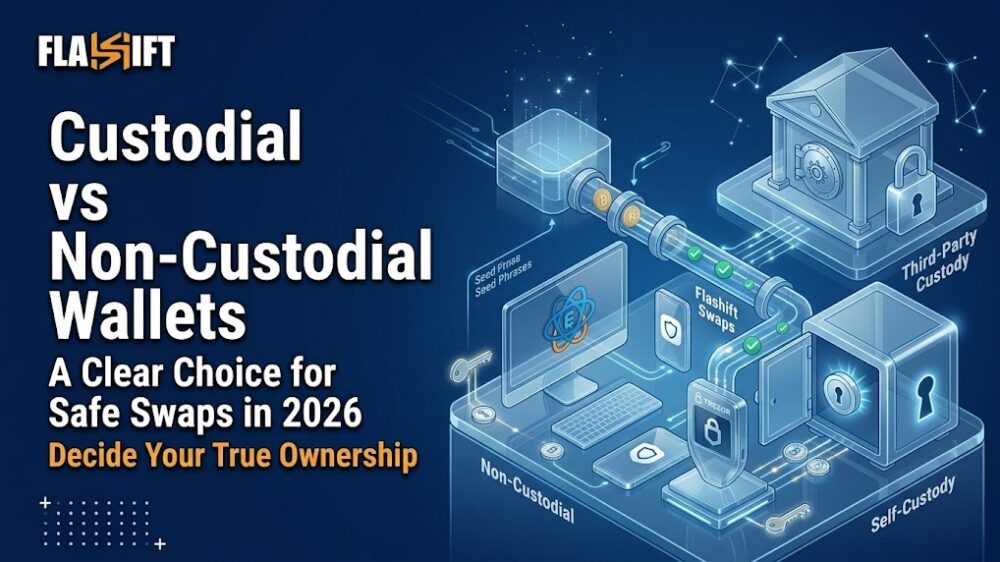
So, you bought some digital assets, but now you face a critical crossroads: who truly holds your capital? The core difference between a custodial vs non-custodial crypto wallet comes down to private key ownership. In a custodial setup, like a centralized exchange, a third party controls your keys, exposing you to sudden account freezes and KYC limits. Conversely, a non-custodial wallet grants you absolute financial sovereignty, giving you direct, uncensored control over your funds and…

If you are searching for the exact non kyc compliance meaning in the modern Web3 landscape, it simply translates to total financial sovereignty. KYC (Know Your Customer) requires centralized financial institutions to collect your identity documents, physical address, and facial biometrics before allowing you to access your funds. A decentralized wallet no kyc, on the other hand, operates purely on cryptographic code. It generates private keys directly on your device, ensuring that you—and only you—control…

The Rise of Meme Coins | You’ve successfully ridden a 100x momentum wave on a viral meme token, only to watch your profits evaporate because of a sudden withdrawal limit or a surprise compliance hold on a centralized ledger. 💸 In the hyper-speed market of 2026, catching the parabolic trend is only half the battle; the true differentiator is execution sovereignty. If you are still routing volatile gains through slow, custodial gateways that require personal…

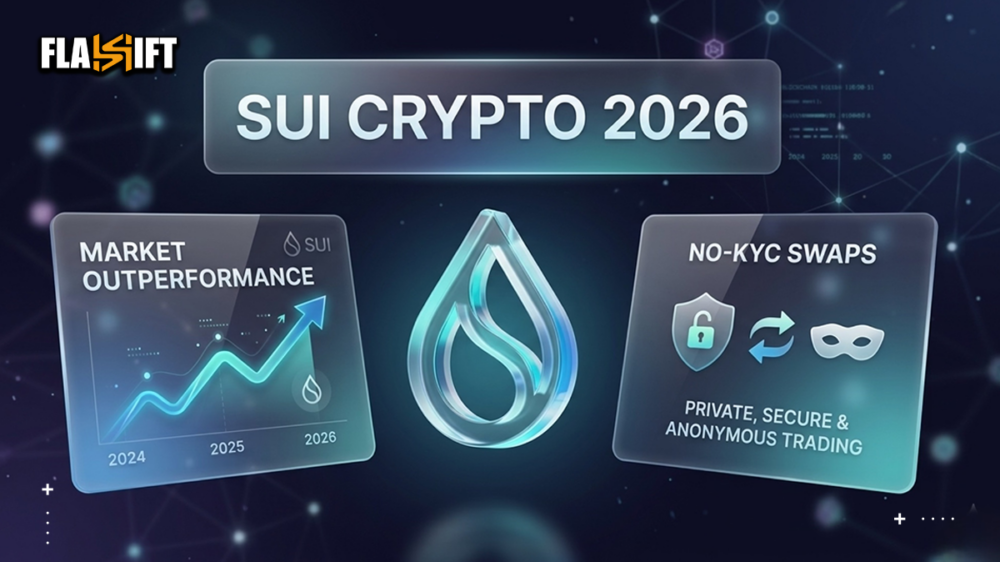
As legacy Layer-1 networks struggle with Layer-2 fragmentation and network congestion, Sui has transitioned from a high-beta speculative asset into a dominant infrastructural force. Sui’s market momentum is not a product of temporary retail hype. Instead, it is driven by a fundamental shift in how institutional capital and Web3 developers view smart contract architecture. With the historic launch of the Grayscale Sui Staking ETF (GSUI) on NYSE Arca and the deployment of Nasdaq-listed Spot Sui…

The Launch of RLUSD | The ever-changing landscape of cryptocurrency has seen another pivotal moment with Ripple’s introduction of RLUSD, a U.S. dollar-backed stablecoin. RLUSD is designed to offer stability and regulatory transparency, poised to enhance Ripple’s ecosystem and appeal to both institutional and retail investors. For investors in XRP, this development raises questions about how RLUSD (Understanding RLUSD) will affect the value, utility, and competitive positioning of XRP within the Ripple network. But beyond…

The RLUSD, is Ripple’s USD-pegged stablecoin, a state-of-the-art digital asset designed to answer the needs for stability and efficiency in the fast-changing cryptocurrency market. The RLUSD is issued on the XRP Ledger, and it’s pegged at a 1:1 basis with the US dollar to insure very low price-volatility. It maintains the speed and low cost of blockchain transactions. The following article will provide insight into the basic concept of RLUSD, its peculiar features, and its…