

The conversation around digital assets is already shifting, and you can feel it in how investors talk, how builders ship products, and how capital quietly moves behind the scenes. As we move toward 2026, “Will crypto grow” is not the investors’ concern. “What shape that growth will take” is the main question.
Crypto trends 2026 will revolve around three big themes:
- mainstream adoption through new crypto ETFs
- a stronger push toward privacy-focused coins as users demand more control
- smoother, app-like user experiences that finally make crypto feel less technical.
These three forces are expected to shape how the entire market evolves next year. If you want to stay ahead of the curve, this is the moment to pay attention to the signals that usually get ignored. Let’s break down what’s emerging and why it matters.

Bitcoin in a Post-ETF World
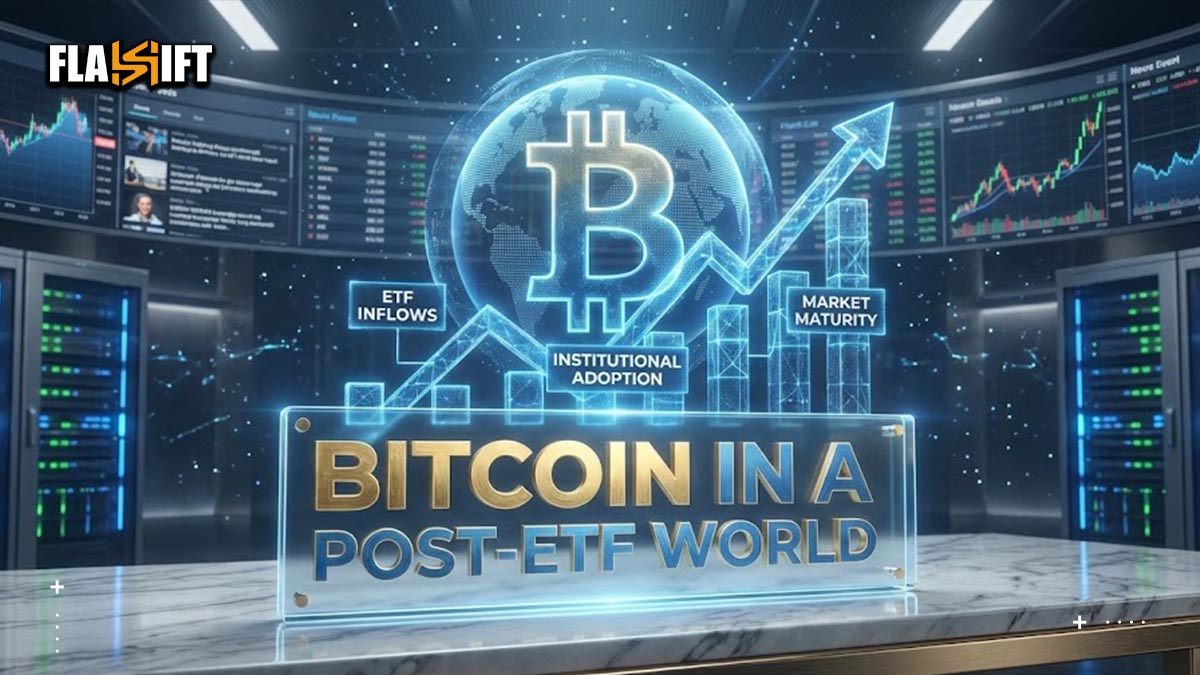
Bitcoin entered a different era the moment spot ETFs went mainstream. The market is no longer driven solely by retail speculation or crypto-native capital. Now it sits inside a structure where traditional finance, institutional allocators, and long-term portfolio strategies quietly shape price behavior. As we move toward 2026, this shift is becoming one of the defining crypto trends 2026, and it’s rewriting how Bitcoin behaves during both bullish expansions and cooling phases.
How ETF Inflows Reshape Bitcoin’s Market Structure in 2026
In a post-ETF landscape, inflows and outflows act almost like a heartbeat for Bitcoin. When large asset managers rebalance their portfolios, the effects ripple across the entire market. This isn’t just about price appreciation; it’s about stability, liquidity depth, and how Bitcoin begins to resemble an emerging macro asset rather than a niche investment. Many analysts expect ETF demand to remain a long-tail trend, especially as banks, pension funds, and sovereign entities slowly warm up to Bitcoin exposure. This institutional layer gives Bitcoin a level of resilience that wasn’t present in earlier cycles.
What Bitcoin’s New Liquidity Profile Means for Traders in 2026
Another meaningful change is how ETFs reshape Bitcoin’s supply dynamics. With more coins locked into custodial structures and long-term products, the available liquid supply keeps shrinking. That supply-side pressure ties directly into 2026 forecasts, especially when paired with the recent halving. As liquidity tightens, volatility may decrease on a macro scale, but sharp moves triggered by ETF inflows can still create fast, directional trends. For traders, this hybrid personality—steady on the surface, explosive when institutional flows surge—becomes part of the new normal.
Bitcoin’s Role as Digital Gold in the 2026 Macro Environment
From a narrative standpoint, Bitcoin is steadily crossing into the “digital gold” category. That doesn’t kill the innovation or excitement around decentralized assets; it simply reframes Bitcoin’s role. Even younger investors who once viewed Bitcoin as speculative now treat it as a hedge against monetary uncertainty. This behavior supports adjacent LSI topics like “Bitcoin institutional adoption,” “macro-driven crypto cycle,” “digital gold narrative,” and “long-term crypto investment models.”
Looking at the broader crypto trends 2026, Bitcoin’s post-ETF evolution sets the tone for the rest of the market. When an asset becomes more regulated, more accessible, and more structured, it pulls the rest of the ecosystem toward maturity. Altcoins, privacy coins, and new blockchain sectors will all react to the gravitational force of Bitcoin becoming a tradable, macro-aligned asset.
In short, Bitcoin’s future after ETFs isn’t just about higher inflows. It’s about permanence. It now sits at the intersection of traditional finance and decentralized innovation—something that shapes every narrative heading into 2026.
Bitcoin Price Prediction for 2026 | Experts’ Analyzes

Investing.com: Standard Chartered recently cut its target sharply, now forecasting Bitcoin around $150,000 by the end of 2026, down from an earlier $300,000 projection as corporate treasury demand waned and ETF inflows became the primary driver of future gains.
Forbes: Meanwhile, analysts at JPMorgan suggest a more optimistic outcome, implying Bitcoin could approach about $165,000–$170,000 in 2026 if it continues to narrow the gap with gold’s market role — a view derived from volatility and cost-floor analysis.
Finance Magnet: Beyond these bank forecasts, technical perspectives offer complementary nuance: Fibonacci-based models point to mid-to-upper six-figure targets (e.g., around $132,000 to roughly $163,000) if broader accumulation and institutional participation continue.
Our Conclusion for BTC Price in 2026
Putting it all together, the most credible 2026 Bitcoin outlook from high-authority sources settles into a band roughly between $150,000 and $170,000 under current market dynamics — an outcome that blends conservative recalibration with structural growth potential. That said, achieving targets above this range hinges on sustained institutional demand, stronger macro tailwinds, and continued ETF expansion. This range also reflects a broader theme in crypto trends 2026: Bitcoin’s price is aligning more with traditional asset behavior and institutional allocation logic, even as volatility and regulatory developments continue to shape investor expectations.
Buy Bitcoin using any other cryptocurrencies. Get the Real Asset! Flashift.app
Solana, XRP, and SUI Growth Outlook in 2026
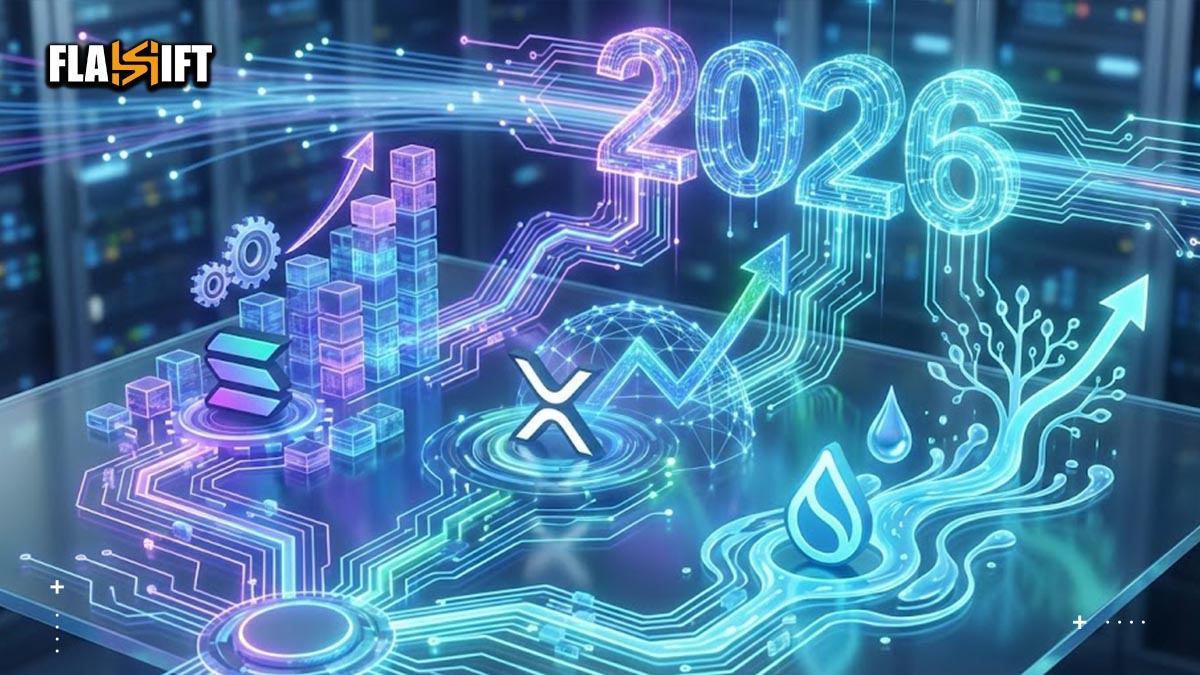
Solana, XRP, and SUI walk into 2026 with three very different stories, but all of them sit right at the heart of the crypto trends 2026 narrative. What makes them important isn’t just hype; it’s the fact that each network solves a real problem at a time when the market is finally rewarding practical utility.
Solana pushes performance and user experience forward, XRP sits at the intersection of finance and on-chain settlement, and SUI is quietly becoming a home base for developers who need speed and predictable scaling. Taken together, these networks form a snapshot of where the next phase of blockchain adoption is heading.
Solana’s High-Speed Network and Expanding Real-World Usage
Solana enters 2026 with momentum that’s hard to ignore. Its claim to fame (extremely fast block times and near-zero fees) isn’t just a technical flex anymore. It has become the backbone for consumer-facing crypto apps, high-volume DeFi platforms, and the next generation of on-chain entertainment. What really sets Solana apart is how well it fits into everyday usage.
Mobile crypto experiences, AI-integrated applications, and high-transaction environments all lean toward Solana’s infrastructure. Within the broader crypto trends 2026, Solana represents the shift toward blockchains that feel more like the apps people already use (fast, seamless, and invisible in the background).
XRP’s Institutional Relevance and Cross-Border Settlement Growth
XRP’s growth story looks different, but the foundation is getting stronger. With regulatory clarity improving, institutions are more willing to adopt XRP-based rails for cross-border liquidity, settlement operations, and on-chain treasury movements. This is one of the areas where crypto actually solves an old financial problem, not creates a new one.
Banks and fintech companies want settlement layers that are fast, compliant, and cost-effective (and XRP fits into that demand better now than it did in previous cycles). For crypto trends 2026, XRP’s narrative ties closely to themes like “blockchain in global finance,” “institutional settlement networks,” and “real-world utility beyond speculation.”
Did you know Ripple (XRP) ETF is there? Read Here: Ripple ETF Explained
SUI’s Developer Momentum and Next-Generation Architecture
If the market is moving toward performance-based ecosystems, SUI is right in the middle of that evolution. Designed around parallel execution and predictable scaling, SUI gives developers something they rarely get in crypto: reliability under heavy load. Gaming studios, interactive Web3 platforms, and high-frequency consumer applications increasingly choose SUI because it doesn’t choke when demand spikes.
That’s a big deal in 2026, where chains are competing less on marketing and more on technical maturity. In the context of crypto trends 2026, SUI represents the rise of next-gen smart contract platforms built with modern engineering principles instead of legacy limitations.
In Summary: Three Networks, Three Strengths, One Direction for 2026
Solana, XRP, and SUI don’t compete for the same role, but each fills a critical gap that the 2026 market cares about: speed, compliance, and developer-focused design. Their combined growth trajectory reflects a maturing environment where different chains serve different real-world needs instead of chasing the same narrative.
If you zoom out, their success is part of a bigger pattern inside the crypto trends 2026 cycle. The ecosystem is shifting away from speculation-driven hype and toward durable systems that can actually support meaningful global usage.
The rise of privacy coins in 2026
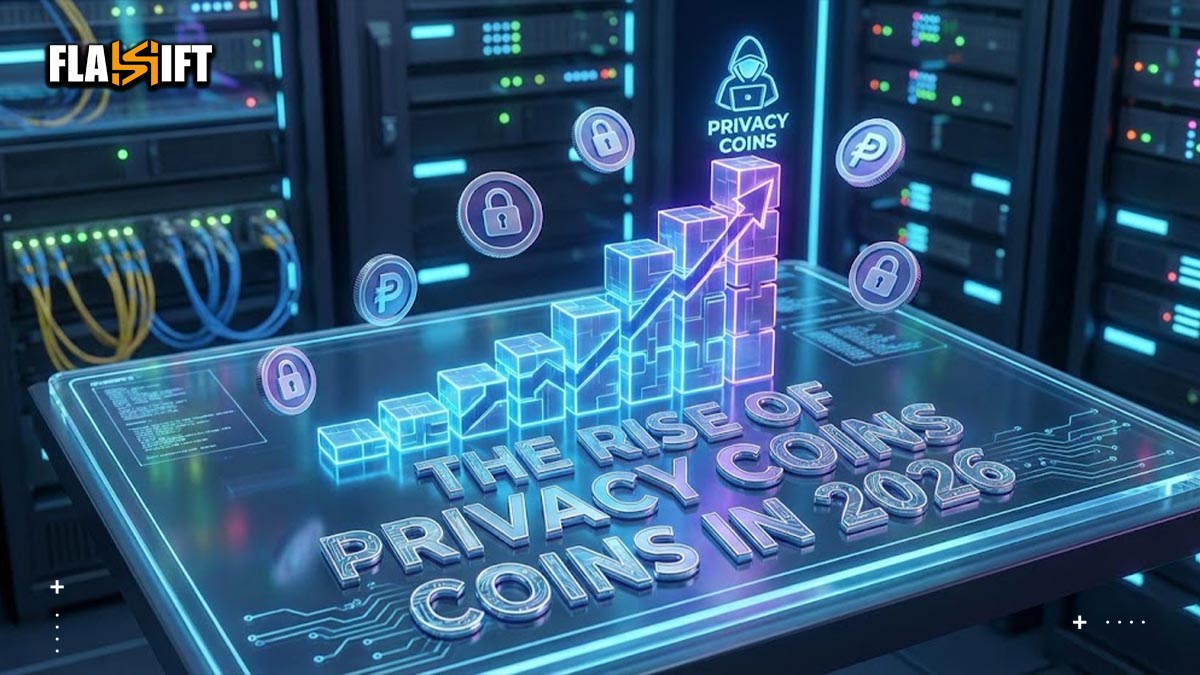
As crypto heads into 2026, one narrative keeps resurfacing with more conviction than any meme cycle or ETF headline: privacy. The surge in demand for privacy coins isn’t being driven by hype alone. It’s the result of a growing discomfort with how traceable the digital world has become.
With everything from layer-1 chains to large exchanges tightening identity rules, traders are gravitating toward assets that push back. This shift is becoming a major branch of the broader crypto trends 2026, especially as more users realize that decentralization without privacy isn’t really decentralization at all.
Why Privacy Coins Are Becoming a Core Part of Crypto Trends 2026
Multiple catalysts are feeding this momentum. For one, global regulatory pressure is increasing at a pace that makes early crypto users uneasy. Every major exchange now enforces stricter KYC, and even non-custodial wallets are being pulled into compliance conversations.
That’s why assets like Monero (XMR), Zcash (ZEC), and the stealth-focused RAILGUN ecosystem are suddenly being mentioned in the same breath as Bitcoin ETFs and L2 scaling. On top of that, privacy tech has quietly leveled up: zk-proof systems are faster, transactions leak less metadata, and networks are becoming easier for everyday users to run. In short, 2026 is shaping up to be the year privacy coins move from a niche to a pillar.
• Read More: Privacy Tokens 2025: Zcash, Dash, and Railgun Surge
How User Experience Is Evolving in Privacy-First Networks
The biggest misconception about privacy coins has always been that they’re too complicated. That’s not really true anymore. Wallet sync times are smoother, nodes are lighter, and the UX no longer forces users to choose between convenience and confidentiality.
This evolution matters because it turns privacy from a “power user feature” into something the average trader can adopt without friction. With AI-powered search now pushing users toward more sophisticated on-chain tools, ease of use is becoming its own form of competitive advantage—and privacy coins are finally catching up.
What This Means for Investors in 2026
For investors tracking crypto trends in 2026, privacy assets stand out for one simple reason: they react sharply to macro narratives. Whenever regulation tightens or centralized exchanges wobble, privacy coins are typically the first to rally. They’re not meme assets, and they don’t follow the Bitcoin ETF headlines directly but they follow user sentiment around autonomy.
If 2026 continues on the same trajectory, with more surveillance-driven policy discussions and tightening oversight on stablecoins, privacy-focused projects could see the kind of cyclical upside we usually attribute to early-stage layer-1s.
How users can protect their privacy and diversify in 2026
As digital assets become more entwined with everyday finance, protecting your privacy isn’t just about hiding from prying eyes; it’s about stewarding your financial autonomy in a world where on-chain transparency is the default.
Alongside that, smart diversification helps you withstand volatility and position yourself across the most resilient parts of the market. Together, these strategies sit at the intersection of crypto trends 2026, blending privacy awareness with long-term investment thinking.

Practical Privacy Tools and Techniques for Everyday Users in Crypto World
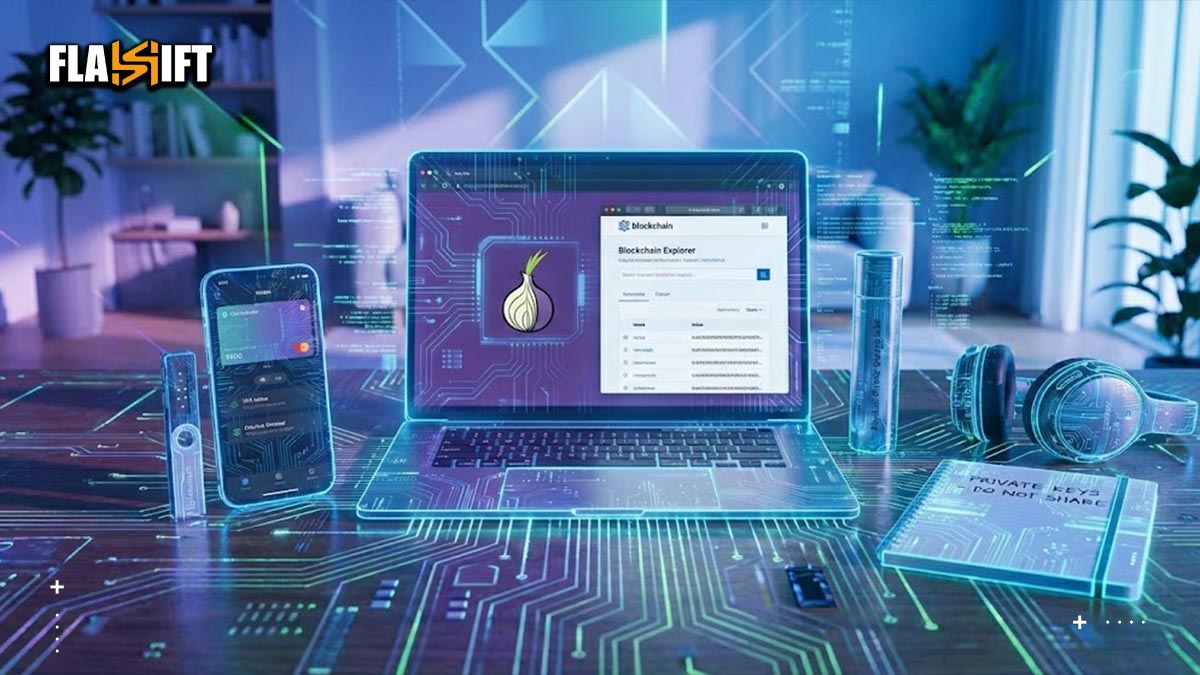
Thinking about privacy in crypto isn’t abstract anymore but it’s practical, and it starts with the choices you make about the coins and tools you use. Some networks are built from the ground up to minimize what anyone else can see.
Take Monero: every part of a transaction is deliberately obscured so third parties can’t link senders to receivers or even see how much was sent. It does this with cryptographic techniques like ring signatures and stealth addresses that blend your transaction into a crowd of others.
Meanwhile, coins like Zcash give you a bit more flexibility. You can choose between transparent transfers and shielded ones that use zero-knowledge proofs to validate without revealing sender, recipient, or amount. In both cases, the result is that your financial actions aren’t laid bare on a public ledger in the way they are with Bitcoin or most other chains. But privacy isn’t just about the coin you pick; it’s about how you handle your funds. That means not reusing the same address over and over, and keeping your holdings spread across wallets in a way that doesn’t make it easy to connect the dots.
In the end, good crypto privacy is a pattern of decisions (from choosing privacy-focused assets, to how you route your connections), to the habits you build around address use. And as privacy tools become more visible and better understood, they’re becoming a normal part of how serious crypto users protect themselves and their capital heading into 2026.
Swap Your Crypto to Monero and Enter the Private World
Security Practices That Protect Both Privacy and Capital
Protecting your privacy and your assets often overlap with good crypto security hygiene. For example, using hardware wallets or cold storage keeps your private keys offline, safeguarding them from hacks and reducing unnecessary exposure. Multi-signature wallets add another layer of defense by requiring multiple signatures to authorize a transaction (a strong choice if you’re managing larger balances or shared accounts).
Diversification itself is a privacy ally, too. Holding various cryptocurrencies across multiple self-custodial wallets or cold storage setups spreads risk; if one service is compromised, other assets remain insulated. Security best practices like enabling two-factor authentication (2FA) on exchange accounts and being vigilant against phishing attacks further protect both your holdings and your identity.
Smart Diversification Strategies That Complement Privacy Goals
When discussing crypto trends 2026, diversification goes beyond just holding multiple tokens. It means blending different types of exposure (from leading privacy coins to layer-1 platforms, decentralized finance (DeFi) protocols, and even tokenized real-world assets where applicable).
Allocating capital across distinct sectors helps temper volatility and lets you participate in broader blockchain innovation while not overexposing yourself to a single network’s risks. In practice, consider categorizing your portfolio across buckets like:
- Privacy-oriented assets for confidentiality and censorship resistance
- Utility networks (smart contract platforms and bridges) for ecosystem growth
- Stablecoins or low-volatility holdings for risk management
- Emerging verticals like tokenized real-world assets or AI-integrated crypto systems
This mix gives you a blend of risk mitigation and upside while aligning with the larger narrative of maturity in crypto markets heading into 2026.
Conclusion: Privacy + Diversification = Resilience in 2026
Protecting your privacy as a crypto user in 2026 isn’t about a single tool or coin; it’s about habits, technology choices, and planning. Pairing these privacy practices with thoughtful diversification lets you traverse the evolving landscape of crypto trends 2026 with more confidence and less risk.
As networks become more transparent and regulatory scrutiny increases, the savvy investor will be the one who protects not only their keys but their financial footprint (while still capturing growth across the most robust parts of the market).
FAQ
1. What are the biggest macro forces shaping the crypto market outlook in 2026?
Investors and analysts point to three major macro drivers for 2026: ongoing ETF inflows and institutional adoption, regulatory clarity in key markets, and broader integration with traditional financial systems. Regulatory progress (particularly around token classifications and stablecoin frameworks) could reduce friction and usher in deeper capital inflows, while ETFs continue to attract institutional interest. These factors are expected to influence market structure, volatility, and asset allocation across digital assets.
2. Will Bitcoin continue to lead the market in 2026, or will other assets take the spotlight?
Bitcoin is still seen as the dominant store of value heading into 2026, and many forecasts place its price higher than recent cycle levels. That said, the narrative around crypto trends 2026 includes broader participation from assets like Ethereum, Solana, and select altcoins as DeFi, layer-2 scaling, and tokenized finance gain traction. Altcoins with strong utility or regulatory clarity (such as XRP) may outperform in certain cycles, but Bitcoin’s market influence remains central to the entire ecosystem.
3. How will regulatory developments affect the crypto landscape by 2026?
Regulation in crypto is evolving from reactive enforcement toward clearer frameworks, especially in major markets like the U.S. and Europe. Expected outcomes include more robust standards for DeFi protocols, defined classifications for tokens, and clarification around how privacy tools fit into compliance. When investors understand the rules, institutional participation tends to increase, which could be a key inflection point driving several crypto trends 2026.
4. What role will privacy coins and privacy tools play in 2026?
As blockchain activity grows, so does interest in managing digital privacy. Privacy-focused assets and privacy-enhancing transaction methods are gaining attention because they offer selective confidentiality in an otherwise transparent ecosystem. Their significance in 2026 reflects deeper user expectations about digital rights and data protection. This also ties into broader debates about balancing compliance with user autonomy across global markets. (Reflects general trends from sources on privacy and adoption.)
5. How can retail users protect their privacy and diversify their crypto holdings in 2026?
Protecting privacy in crypto in 2026 will involve intentional decisions about wallet practices, asset selection, and network behavior. Users can hold privacy-oriented networks, rotate addresses, and use secure connections. At the same time, diversification across different protocols (from privacy coins to layer-1s and stablecoins) helps manage risk and capture growth in multiple segments of the market. This combination aligns with evolving investor priorities within crypto trends 2026. (Content drawn from common investing best practices.)
6. Are DeFi and Layer-2 solutions expected to become mainstream by 2026?
Decentralized finance (DeFi) and Layer-2 scaling solutions are expected to gain broader adoption by 2026 as they address cost and speed challenges on major networks. Platforms like Arbitrum, Optimism, and zk-based rollups are reducing fees and improving throughput, which could bring new users into on-chain financial services. This trend dovetails with institutional and retail demand for faster, cheaper, and more functional blockchain interactions.