
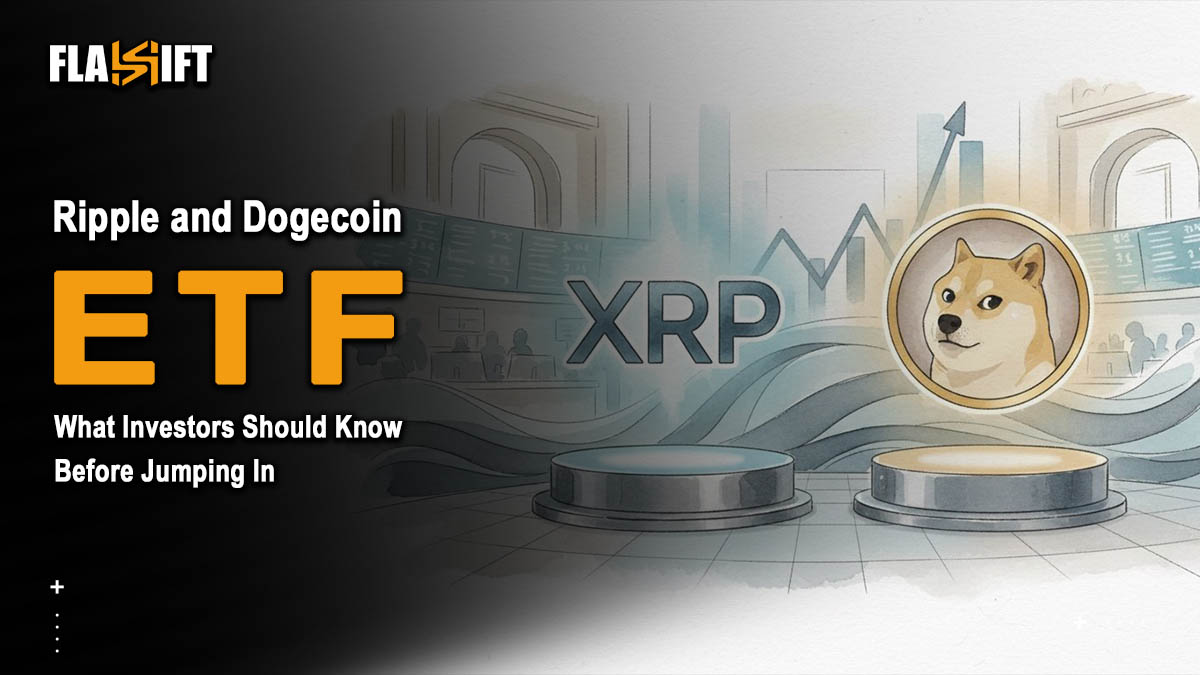
Ripple and Dogecoin ETF | It was only a matter of time before Wall Street came knocking on the doors of Ripple and Dogecoin. After the approval of Bitcoin and Ethereum ETFs, talk of a Ripple ETF and a Dogecoin ETF has started to echo through trading desks and crypto circles alike. On paper, it sounds simple enough: wrap these assets into a regulated Exchange-Traded Fund, and suddenly, investors who would never touch a crypto wallet can buy exposure with a couple of clicks.
But nothing in this space is ever that straightforward. Ripple carries the weight of its ongoing legal battles and its reputation as a serious player in cross-border payments. Dogecoin, by contrast, thrives almost entirely on community culture, celebrity tweets, and the raw force of speculation. Packaging them both into ETFs creates very different investment stories—one grounded in utility, the other in pure momentum.
The question for investors isn’t whether these products will spark attention—they absolutely will. The real question is whether a Ripple ETF or Dogecoin ETF deserves a place in a portfolio once you strip away the hype.

Ripple and Dogecoin ETFs: A Complete Review
The cryptocurrency market in 2025 is witnessing another turning point. After the approval of spot Bitcoin and Ethereum ETFs, the spotlight has shifted toward altcoin-focused products. Among them, the Ripple ETF (sometimes referred to as the XRP ETF) and the Dogecoin ETF (DOJE) are attracting headlines and investor curiosity.
But what exactly are these funds? How do they differ from traditional crypto exposure? And, more importantly, are they worth the hype—or the risk? This article takes a close look at how these ETFs are structured, the pros and cons of investing in them, and what their launch might mean for the broader market.
The Rise of Crypto ETFs in 2025
The concept of cryptocurrency ETFs is no longer theoretical. With the SEC finally greenlighting spot Bitcoin and Ethereum ETFs in 2024, the financial world has opened its doors to regulated crypto exposure. The move was hailed as a milestone, giving institutional investors a compliant way to access digital assets without managing wallets, exchanges, or custody risks.
In 2025, attention has naturally shifted to the next wave of contenders—altcoins. Ripple (XRP) and Dogecoin (DOGE) stand out for very different reasons: XRP for its established role in cross-border payment solutions, and Dogecoin for its meme-driven cultural force. The idea of exchange-traded funds based on these coins raises questions that investors should carefully evaluate before jumping in.
Understanding the Structure of the Ripple ETF
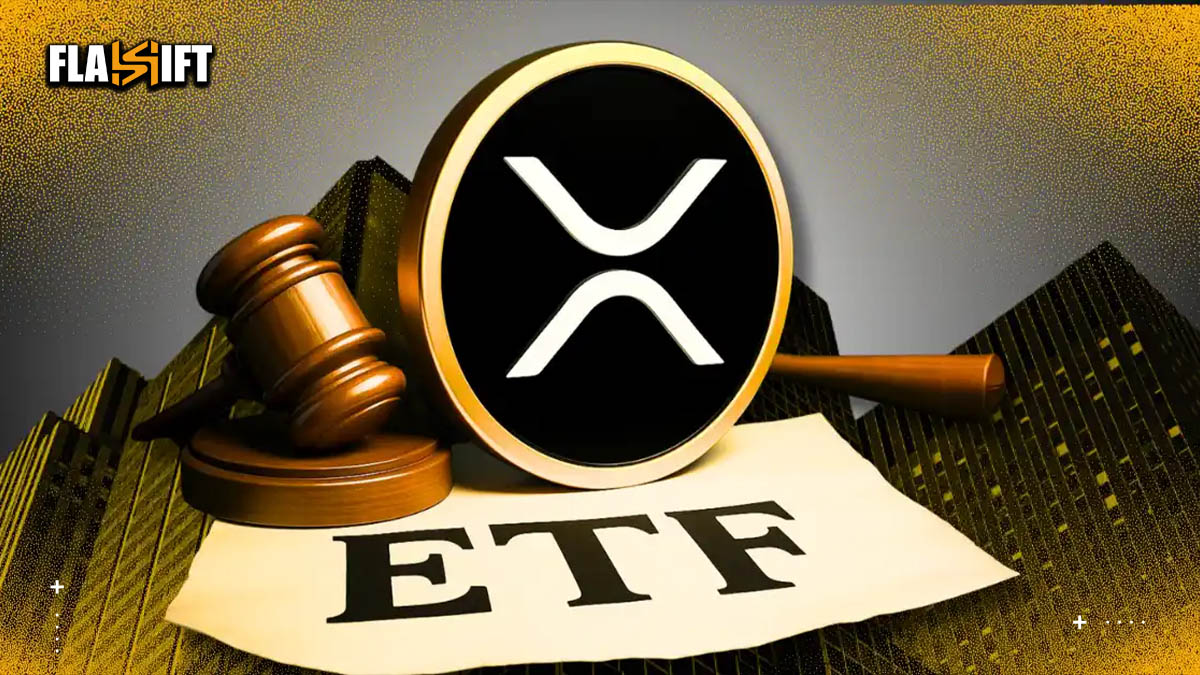
Unlike Bitcoin and Ethereum ETFs, which are designed to hold the actual coins in custody, the XRP ETF has a more complex setup.
How the XRP ETF Allocates Assets
According to filings and early disclosures, the XRP ETF doesn’t hold only XRP directly. Instead, it has a hybrid structure that spreads risk across multiple components:
- Direct XRP Exposure (Core Holding): The fund allocates a significant portion to XRP, giving investors direct exposure to the cryptocurrency’s price movements.
- Cash Allocation: To manage liquidity and potential redemptions, the ETF keeps a portion of assets in cash or cash equivalents. This helps stabilize the fund during volatile trading days.
- Other ETF Exposure: Interestingly, the XRP ETF also maintains partial exposure to other crypto-linked ETFs, creating a diversified basket rather than a single-asset fund. This feature is designed to cushion volatility but also dilutes “pure” XRP exposure.
Fees and Management
The management fee is listed at 0.75% annually, slightly higher than some Bitcoin ETFs but in line with niche or emerging-market ETFs. For retail investors, this fee eats into returns, but the trade-off is simplified access to XRP without navigating crypto exchanges.
The Dogecoin ETF (DOJE) and Its Unique Setup
If the XRP ETF is marketed as a serious, utility-driven investment, the Dogecoin ETF (DOJE) represents almost the opposite end of the spectrum. Dogecoin was created as a joke in 2013 but has since evolved into a cultural icon, backed by a passionate online community and celebrity endorsements.
How the DOJE Works
The Dogecoin ETF doesn’t pretend to be anything other than what it is: a way to gain exposure to DOGE price swings. Unlike the XRP ETF, it does not allocate funds into a diversified basket. Instead, it focuses directly on DOGE holdings, with minor cash reserves for liquidity management.
- Direct DOGE Holdings: The majority of the ETF is backed by Dogecoin itself.
- Minimal Diversification: Aside from a small liquidity buffer, the fund does not attempt to spread risk into other assets.
- Community-Driven Narrative: The Dogecoin ETF leans heavily on marketing, tapping into the same meme culture that drives the coin’s price in the spot market.
The Unspoken Risk
While the DOJE ETF gives investors regulated access to Dogecoin, it also inherits the meme coin’s volatility. Without significant institutional use cases behind DOGE, the ETF remains a speculative instrument rather than a utility-driven asset.
Pros and Cons of Investing in Altcoin ETFs
Like any financial product, altcoin ETFs bring both opportunities and risks. Understanding these factors is critical before investing.
Pros
- Regulated Access: Both the Ripple ETF and Dogecoin ETF allow investors to buy exposure through traditional brokerages, bypassing the need for wallets and private keys.
- Lower Custody Risk: The funds handle custody and security, which has historically been one of crypto’s biggest hurdles for institutions.
- Portfolio Diversification: For investors already holding Bitcoin and Ethereum ETFs, adding XRP or DOGE exposure creates diversification into alternative narratives.
- Market Liquidity: ETFs generally increase liquidity for the underlying asset, making price discovery more efficient.
Cons
- High Fees: At 0.75%, the XRP ETF fee is notable. DOGE’s structure also carries similar management costs, cutting into returns.
- Volatility Remains: Wrapping XRP or DOGE into an ETF doesn’t eliminate the volatility. Investors are still exposed to rapid swings.
- Diluted Exposure (XRP ETF): Because part of the XRP ETF’s assets are held in cash and other ETFs, the exposure isn’t 100% direct, which may disappoint purists.
- Speculative Narrative (DOGE ETF): Dogecoin lacks the enterprise adoption story of XRP, making its ETF almost entirely speculative.
Market Impact: How ETFs Can Affect XRP and DOGE Prices
The approval and trading of these ETFs can have significant consequences on both XRP and DOGE markets.
Increased Demand Through Accessibility
ETFs open the door for a broader base of investors—retail traders using standard brokerage accounts and institutions restricted by compliance rules. This influx of capital could create upward pressure on XRP and DOGE prices, especially during the initial launch phase when interest peaks.
Institutional Validation
The mere existence of these ETFs lends legitimacy to both Ripple and Dogecoin. For XRP, this complements its narrative as a utility-driven coin for cross-border payments. For Dogecoin, it provides a level of institutional recognition that would have seemed unthinkable just a few years ago.
Potential for Volatility Spikes
However, easier access can also magnify volatility. Large inflows or outflows into these ETFs could amplify price swings in the underlying spot markets, especially for Dogecoin, where liquidity is thinner than Bitcoin or Ethereum.
Long-Term Price Effects
Over the long term, ETFs could stabilize pricing by providing consistent demand and regulated access. But whether this applies equally to XRP and DOGE is uncertain. XRP’s enterprise use case may provide a steadier floor, while Dogecoin’s reliance on community hype could keep its ETF trading in a speculative cycle.
Investor Takeaways
The arrival of the Ripple ETF and the Dogecoin ETF marks another milestone in crypto’s slow but steady march into mainstream finance. For investors, the message is clear: these products make altcoin exposure easier than ever, but “easy” doesn’t mean “risk-free.”
- The XRP ETF offers semi-diversified exposure with some institutional polish, though at the cost of diluted purity and higher fees.
- The DOJE ETF gives investors a way to speculate on Dogecoin through regulated markets but inherits all the volatility and cultural risks of the meme coin itself.
Ultimately, deciding whether to invest in these ETFs comes down to risk tolerance and portfolio strategy. If you believe in Ripple’s utility or Dogecoin’s cultural staying power, these ETFs could provide a convenient way to gain exposure. But for those expecting smooth sailing, it’s worth remembering: packaging crypto into an ETF doesn’t change the nature of the underlying asset—it just makes it easier to buy.
Final Thoughts
Crypto ETFs in 2025 are no longer just about Bitcoin and Ethereum. The Ripple ETF and Dogecoin ETF push the boundaries of what regulators and investors are willing to embrace. They provide an easier gateway into altcoins but also raise the stakes for investors who may underestimate the risks tied to these assets.
As with all things in crypto, timing and strategy matter. Before jumping in, make sure you’re not just following the headlines but actually weighing whether these ETFs fit your long-term investment goals.
- Do you want buy the XRP token without KYC? Use Flashift: Swap USDT to XRP!
FAQ
- Why would someone choose a Ripple ETF over buying XRP directly?
A Ripple ETF lets investors get exposure through a regular brokerage account without worrying about wallets, private keys, or exchange risks. The flip side is you don’t actually own XRP, and the fund’s structure mixes in cash and other ETFs, so it’s not pure one-to-one exposure.
- What’s the purpose of the cash and ETF allocation inside the XRP ETF?
This setup is about managing volatility and liquidity. By holding part of the fund in cash and other ETFs, the XRP ETF can handle redemptions more smoothly and reduce sudden swings. The trade-off is that you’re not fully exposed to XRP’s performance, which some investors may see as a safer entry point while others view it as watered down.
- Does the Dogecoin ETF have any serious investment angle, or is it just speculation wrapped in regulation?
The Dogecoin ETF (DOJE) doesn’t have the enterprise backing that Ripple does. It’s more of a direct play on DOGE’s speculative momentum and cultural hype. The ETF format gives it legitimacy, but at its core, it’s still a bet on volatility and community-driven sentiment rather than real-world adoption.
- Could these ETFs actually move the prices of XRP and DOGE?
Yes, ETFs can influence prices because they make these coins accessible to a much wider investor base. New inflows could push XRP and DOGE higher, especially in the early stages when excitement is high. But the same mechanism works in reverse—large outflows from the funds can create sudden downward pressure on the spot markets.
- Are the management fees worth it?
The 0.75% fee is on the higher side for ETFs, but it covers regulated access, professional custody, and the simplicity of buying through a stock account. For traditional investors, that convenience can justify the cost. For crypto-savvy traders who already know how to self-custody and trade, paying that fee might feel unnecessary.
- Do Ripple and Dogecoin ETFs change how traditional finance sees altcoins?
Definitely. For Ripple, the ETF highlights its role as a serious payment-focused asset. For Dogecoin, it’s more about recognition—Wall Street is effectively treating a meme coin as a legitimate product. Together, they push altcoins further into mainstream finance, even if opinions remain divided on their long-term value.