
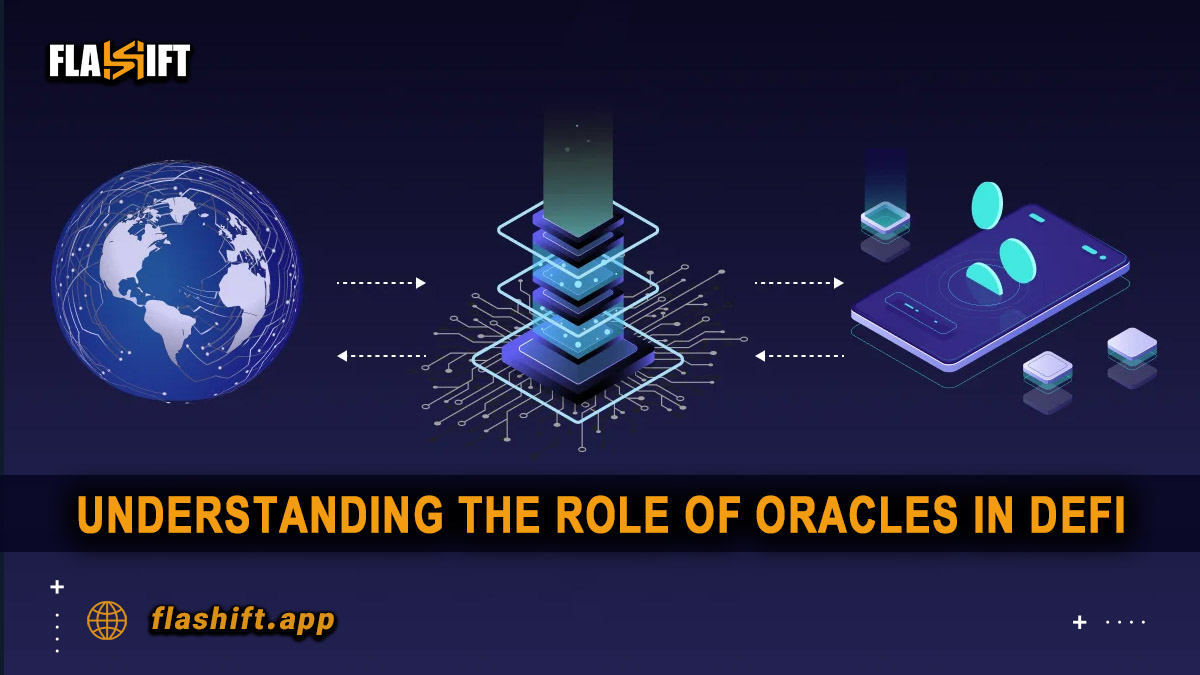
The most significant threat to decentralized finance is no longer smart contract bugs, but execution layer blindness. Smart contracts are mathematically deterministic and cannot natively access off-chain pricing data. Without robust decentralized data bridges—oracles—liquidity pools are entirely exposed to arbitrage exploitation, massive slippage, and targeted flash loan attacks.
To maintain a sovereign portfolio, understanding how your execution layer sources real-world valuation is not just theoretical; it is a mandatory baseline for surviving highly volatile multi-chain environments.
The “Oracle Problem” and Execution Vulnerabilities
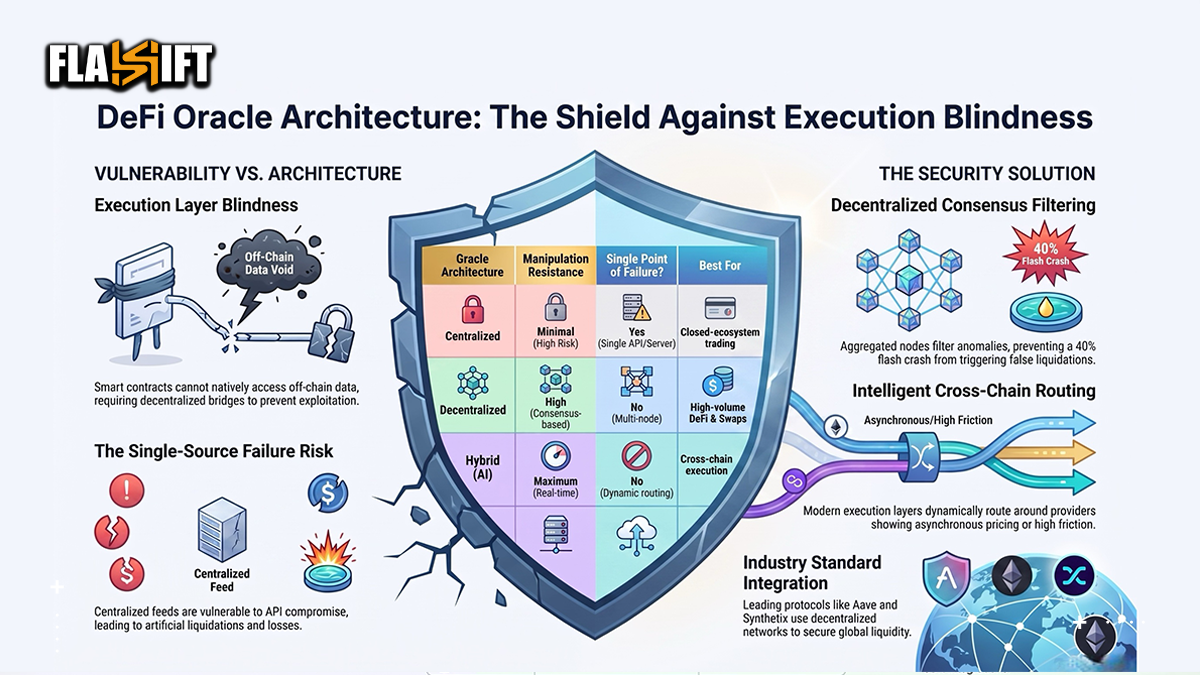
The fundamental vulnerability in purely on-chain execution is the reliance on isolated data points. If a smart contract relies on a centralized or single-source price feed, a single compromised API or a sudden liquidity vacuum on one exchange can artificially crash the asset’s perceived value. If a malicious actor manipulates this data, the smart contract executes its flawed logic with 100% precision, liquidating collateral or executing swaps at catastrophic losses.
To visualize the structural differences in data sourcing, refer to the infrastructure comparison below:
| Oracle Architecture | Latency Risk | Manipulation Resistance | Single Point of Failure (SPOF) | Best For |
| Centralized Feeds | Extremely Low | Minimal (Highly vulnerable) | Yes (Single API/Server) | Closed-ecosystem trading |
| Decentralized (DONs) | Moderate | High (Consensus-based) | No (Multi-node aggregation) | High-volume DeFi & Swaps |
| Hybrid (AI-Filtered) | Low | Maximum (Real-time auditing) | No (Dynamic node routing) | Cross-chain execution layers |
Decentralized Consensus: How Chainlink Defends Liquidity
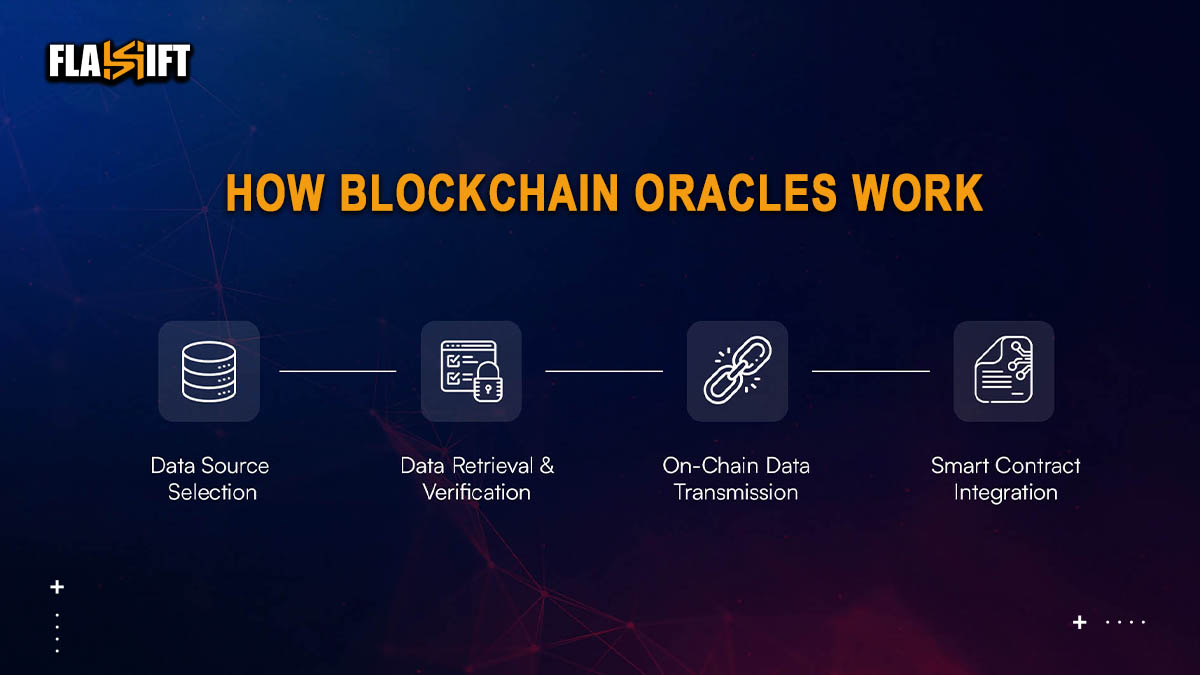
To mitigate single-source failure, modern swap aggregators and lending protocols rely on Decentralized Oracle Networks (DONs) like Chainlink. Instead of a single API ping, a DON aggregates price feeds from dozens of independent, cryptographically secure node operators.
If one exchange experiences a sudden flash crash—dropping a token’s price by 40% for just 5 seconds—the decentralized consensus mechanism filters out the anomaly. The smart contract only triggers when a verifiable majority of nodes confirm the actual global market price.
Because liquidity depths fluctuate rapidly across multiple pools during high volatility, experienced traders verify execution paths through non-custodial aggregators to check real-time routing rates and prevent excessive slippage before confirming a cross-chain swap.
Real-World Integrations and Protocols Using Chainlink
Chainlink powers leading protocols such as Aave, Synthetix, and dYdX. It extends beyond DeFi into gaming, insurance, a
nd traditional finance by enabling smart contracts to access verified real-world data. The platform’s widespread adoption proves its effectiveness as a top oracle in DeFi.
Which Is More Secure and Scalable?
Due to their resistance to censorship and manipulation, decentralized oracles are considered more secure for DeFi applications. However, scalability can be a challenge as they grow. Hybrid models combining both approaches are emerging as a practical solution.
From Data Feeds to Intelligent Routing
Understanding oracle architecture directly translates to safer asset execution. Relying on platforms that manually ping static smart contracts is no longer viable. Today’s execution layers must simultaneously ingest massive datasets from decentralized oracles and instantly cross-reference them against live exchange liquidity.
If an exchange provider flashes an artificially low rate to bait traffic but demonstrates a history of post-deposit KYC holds or exorbitant hidden spread tactics, the network must flag the anomaly.
To maintain cold-storage security while rebalancing your portfolio, you must ensure your execution layer is as private as your hardware. Using specialized cross-chain routers like Flashift’s multi-chain swap engine allows you to move assets natively without leaving central traces, dynamically routing around providers that exhibit asynchronous oracle pricing or execution friction.
FAQ
- Can an oracle in DeFi operate without compromising user privacy?
Yes, emerging solutions like zero-knowledge proofs allow oracles to verify data without exposing user-specific details. - How do oracles handle conflicting data from multiple sources?
Decentralized oracles like Chainlink aggregate and weight inputs from multiple nodes to filter out anomalies and improve accuracy. - Are oracle fees a hidden cost in DeFi transactions?
Often yes. Some protocols pass oracle-related gas and service fees to users, subtly increasing transaction costs. - Can oracles be upgraded after deployment?
It depends. Some DeFi protocols use upgradeable contracts, while others fix oracle configurations for immutability and security. - How do oracles impact DeFi protocol governance decisions?
Reliable oracle data can trigger automated governance events, like pausing markets or adjusting parameters based on real-time risk.